
#25 · Week of October 19, 2026
Weekly Edition

OWRANG WEEKLY
A cultural publication of the Owrang Institute of Arts and Culture
نشریهٔ فرهنگی بنیاد فرهنگ و هنر اورنگ
Bay Area · Iran · World

HEADLINE OF THE WEEK
Isabel Allende Returns to the World of The House of the Spirits
بازگشت ایزابل آلنده به دنیای «خانهٔ ارواح»
Top Storiesخبرهای برگزیده
general
California State Railroad Museum lights its lobby with 204 historic lanterns
۲۰۴ فانوس تاریخی لابی موزهٔ راهآهن کالیفرنیا را روشن کرد
art
Manetti Shrem Museum shows Italian couture from its namesake's collection
لباسهای دوخت فاخر ایتالیایی در موزهٔ Manetti Shrem
general
Sacramento arts advocate Dennis Mangers receives Mort Friedman Civic Leadership Award
جایزهٔ رهبری مدنی برای دنیس منجرز، مدافع هنر ساکرامنتو
general
Sacramento wins federal grant to document its Japanese American history
کمکهزینهٔ فدرال برای ثبت تاریخ ژاپنیتبارهای ساکرامنتو
Stories & Poetry
داستان و شعر

Poetry
Broken Ghazal
غزل شکسته
By Sadegh Hatefi صادق هاتفی

General
From Idea to Image, Part Five
از تصور تا تصویر، قسمت پنجم
By Owrang Editorial

Theater
Crossing the Border
گذشتن از مرز
By Ravi راوی

Books
Laleh Khadivi and the Question of the Mother
لاله خدیوی و پرسش از مادر
By Owrang Editorial

Cinema
Shayda: Nowruz in a Shelter
«شیدا»، نوروزی در پناهگاه
By Owrang Editorial

Books
The Stone Raft: A Voyage Beyond the Borders of Europe
بلم سنگی، سفری به آن سوی مرزهای اروپا
By Owrang Editorial
Local News
اخبار محلی

general
California State Railroad Museum lights its lobby with 204 historic lanterns
۲۰۴ فانوس تاریخی لابی موزهٔ راهآهن کالیفرنیا را روشن کرد
Owrang Editorial · Oct 18

art
Manetti Shrem Museum shows Italian couture from its namesake's collection
لباسهای دوخت فاخر ایتالیایی در موزهٔ Manetti Shrem
Owrang Editorial · Oct 18

art
San Francisco's The Lab relaunches its Living Wage Residency for three artists
اقامت هنری با دستمزد زندگی در سانفرانسیسکو بازگشت
Owrang Editorial · Oct 18
general
Sacramento arts advocate Dennis Mangers receives Mort Friedman Civic Leadership Award
جایزهٔ رهبری مدنی برای دنیس منجرز، مدافع هنر ساکرامنتو
Owrang Editorial · Oct 18

general
Sacramento wins federal grant to document its Japanese American history
کمکهزینهٔ فدرال برای ثبت تاریخ ژاپنیتبارهای ساکرامنتو
Owrang Editorial · Oct 18
Berkeleyside
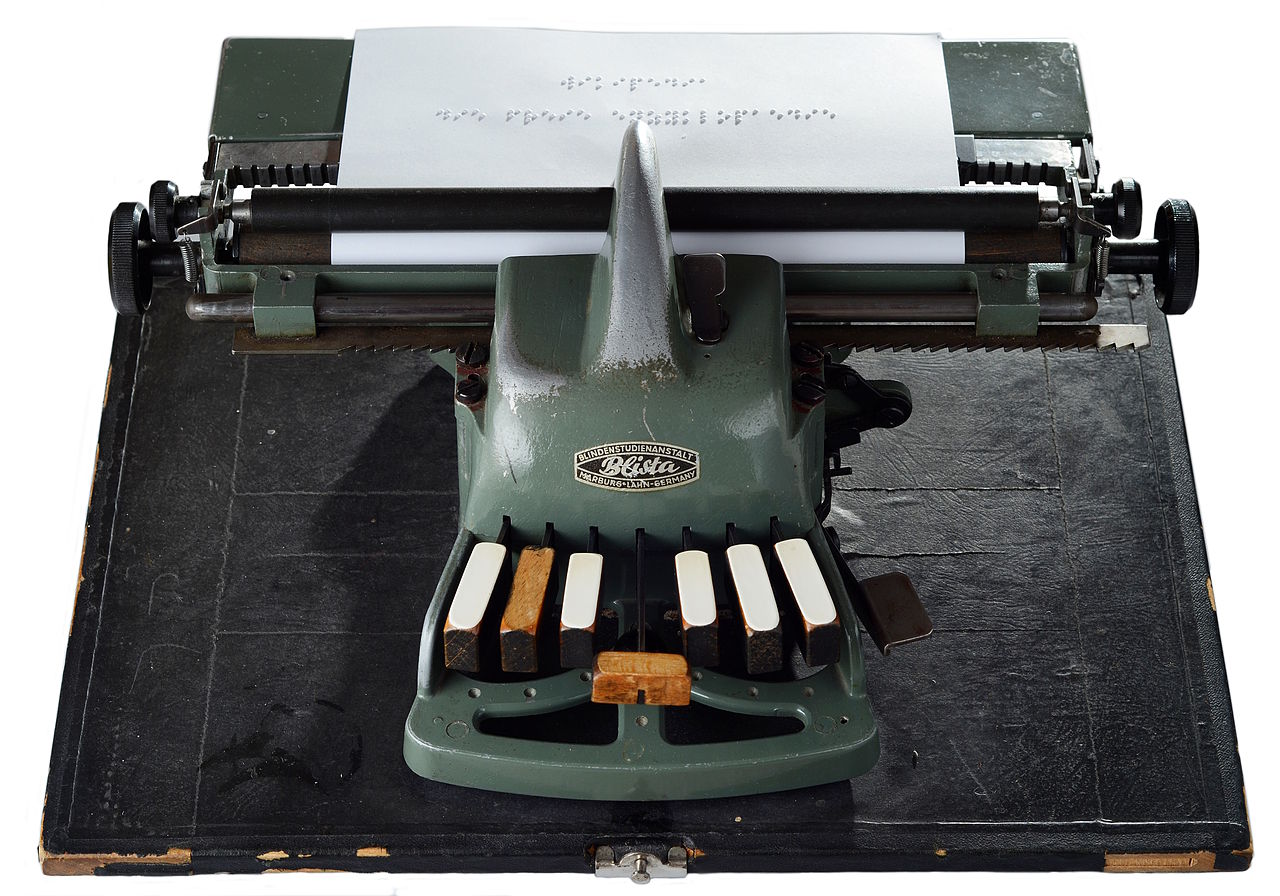
The Wire: Berkeley teacher wins kindness award for transcribing music into Braille for blind student
جایزهٔ مهربانی برای معلمی که نتها را بریل میکند
· Oct 17

Dance Magazine
Figure Skating Champion Tessa Virtue on Making Her Professional Dance Debut
تسا ورچو، قهرمان المپیک، نخستین اجرای رقص حرفهایاش را تجربه میکند
· Oct 14

Berkeleyside
How the punks of 924 Gilman beat the odds and built a DIY institution
باشگاه پانک 924 Gilman در برکلی چهل ساله میشود
· Oct 13

SF Classical Voice
Wagner’s Monumental Ring Cycle Is Under Construction at SF Opera
اپرای سانفرانسیسکو حلقهٔ «Ring» واگنر را دوباره روی صحنه میبرد
· Oct 13

SF Classical Voice
Other Minds Festival Samples New Electronic Music
جشنوارهٔ Other Minds سیسالگیاش را با موسیقی الکترونیک تازه جشن گرفت
· Oct 13

SF Classical Voice
The Abduction from the Seraglio Charms at West Bay Opera
West Bay Opera «ربودن از حرمسرا»ی موتسارت را در پالو آلتو اجرا کرد
· Oct 13

SF Classical Voice
Nureyev Gives Grand Jeté Lift to Dance Film Festival
بالهٔ «Nureyev» جشنوارهٔ فیلم رقص سانفرانسیسکو را میگشاید
· Oct 13

SF Classical Voice
Karina Canellakis Shines in a Strong Return to SF Symphony
کارینا کانلاکیس با موسیقی روسی به سمفونی سانفرانسیسکو بازگشت
· Oct 13
Iranians Abroad
ایرانیان در جهان

art
Bahman Mohassess's long-hidden 'Faun Musician' resurfaces at Frieze Masters in London
مجسمهٔ برچیدهشدهٔ بهمن محصص در لندن به نمایش درآمد
Owrang Editorial · Oct 18

theater
Amir Reza Koohestani's 'Blind Runner' opens in California, directed from afar after visa refusals
نمایش امیررضا کوهستانی بیحضور گروه ایرانیاش به کالیفرنیا رسید
Owrang Editorial · Oct 18

cinema
'Shayda' director Noora Niasari wins the Academy Gold Fellowship for Women
بورس زنان فیلمساز آکادمی به نورا نیاسری رسید
Owrang Editorial · Oct 18

music
Aghdas Pourtorab, teacher of generations of Iranian pianists, dies in France at 86
اقدس پورتراب، آموزگار نسلها پیانیست ایرانی، در فرانسه درگذشت
Owrang Editorial · Oct 18

art
Shiraz-born architect Farshid Moussavi awarded the 2026 Soane Medal
نشان Soane به فرشید موسوی، معمار زادهٔ شیراز، رسید
Owrang Editorial · Oct 18

cinema
Majid Majidi's 'Midday Meal' wins the top prize at Busan
فیلم «Midday Meal» مجید مجیدی جایزهٔ اصلی بوسان را برد
Owrang Editorial · Oct 18

cinema
Mohsen Amiryousefi turns a career of bans into autofiction in 'The Banning Curse'
محسن امیریوسفی با فرشتهٔ مرگ از کارنامهٔ توقیفیاش میگوید
Owrang Editorial · Oct 18
News
اخبار

SF Classical Voice
Susanna Mälkki Returns to Disney Hall with a Splendidly Precise U.S. Premiere
سوزانا مالکی با یک اثر تازهٔ چک به Disney Hall بازگشت
· Oct 13

Bandcamp Daily
The French Prog Classic That Barely Escaped Oblivion
آلبوم گمشدهٔ گروه Instant پس از چهار دهه منتشر شد
· Oct 12

Paris Review
Anne Carson Wins the Nobel Prize in Literature
آن کارسن، شاعر و مترجم کانادایی، نوبل ادبیات ۲۰۲۶ را برد
· Oct 8

Dance Magazine
TBT: Donna McKechnie Emerges as Michael Bennett’s “Secret Weapon”
نگاهی به دانا مککنی، «سلاح پنهان» برادوی در ۱۹۷۱
· Oct 8
Exhibitions
نمایشگاهها
Hyperallergic
Tammy Nguyen's New Opera Will Be the Coda to the Venice Biennale
اپرای تمی نگوین در پایان دوسالانهٔ ونیز اجرا میشود
· Oct 14

NPR Arts
Writer Yiyun Li lost both of her sons. When words fell short, she turned to music
ییون لی پس از مرگ پسرانش به موسیقی رو آورد
· Oct 13
Upcoming Events
رویدادهای پیش رو
21
Oct
Murnau's Silent "Faust" Screens at the Crest for Two Dollars
نمایش فیلم صامت «Faust» مورنائو در Crest Theater
The Crest Theater, 1013 K Street, Sacramento, CA 95814
7:00 PM
GET TICKETS · بلیت →
22
Oct
"Electric Miles!" Marks the Miles Davis Centennial at The Sofia
بزرگداشت صدسالگی مایلز دیویس با جاز الکتریک در The Sofia
The Sofia, Home of B Street Theatre, 2700 Capitol Ave, Sacramento, CA 95816
6:30 PM
GET TICKETS · بلیت →
23
Oct
Auburn Marks Día de los Muertos With "Coco", Mariachi and Dance
جشن Día de los Muertos در آبرن با فیلم «Coco» و موسیقی
New Auburn Cemetery, 1040 Collins Drive, Auburn, CA
4:00 PM
GET TICKETS · بلیت →
23
Oct
Lila Downs: Cambias mi Mundo
لیلا داونز و آلبوم تازهاش در جشن روز مردگان
Jackson Hall, Mondavi Center, UC Davis, One Shields Avenue, Davis, CA 95616
7:30 PM
GET TICKETS · بلیت →
23
Oct
Sacramento Ballet Opens Its Season With Balanchine and a Beatles Ballet
آغاز فصل Sacramento Ballet با بالانشین و ترانههای The Beatles
The Sofia, Home of B Street Theatre, 2700 Capitol Ave, Sacramento, CA 95816
7:30 PM
GET TICKETS · بلیت →
23
Oct
Mariachi Herencia de México celebrates Día de los Muertos in Berkeley
جشن روز مردگان با گروه ماریاچی Mariachi Herencia de México
Zellerbach Hall, UC Berkeley, Bancroft Way at Dana Street, Berkeley, CA 94720
7:30 PM
GET TICKETS · بلیت →
24
Oct
Pianist Fantee Jones Plays the Sacramento State Piano Series
رسیتال پیانوی فنتی جونز در Sacramento State
Capistrano Concert Hall, Sacramento State, 6000 J Street, Sacramento, CA 95819
7:00 PM
GET TICKETS · بلیت →
24
Oct
Taylor Mac and Matt Ray Bring an Evening of Songs to the Mondavi Center
تیلور مک و مت ری در Mondavi Center
Vanderhoef Studio Theatre, Mondavi Center, UC Davis, One Shields Avenue, Davis, CA 95616
7:30 PM
GET TICKETS · بلیت →
24
Oct
Sacramento Choral Society Sings Handel in Donald Kendrick's Last "Stained Glass" Concert
واپسین کنسرت «Stained Glass» دانلد کندریک با آثار هندل
Fremont Presbyterian Church, 5770 Carlson Drive, Sacramento, CA 95819
7:30 PM
GET TICKETS · بلیت →
24
Oct
Steve Reich at 90: a birthday concert at Zellerbach Hall
جشن نود سالگی استیو رایش در برکلی
Zellerbach Hall, UC Berkeley, Bancroft Way at Dana Street, Berkeley, CA 94720
7:30 PM
GET TICKETS · بلیت →
25
Oct
Great Composers Chamber Music Series: Voices of Change
موسیقی مجلسی آهنگسازان بزرگ، صداهای دگرگونی
Harris Center for the Arts, 10 College Parkway, Folsom, CA 95630
2:00 PM
GET TICKETS · بلیت →
25
Oct
Cirque Mechanics: Tilt! A Circus Thrill Ride
سیرک مکانیکس و شهربازی خیالی دههٔ هشتاد
Jackson Hall, Mondavi Center, UC Davis, One Shields Avenue, Davis, CA 95616
2:00 PM
GET TICKETS · بلیت →
27
Oct
Lyle Lovett and His Small Large Band
لایل لاوت و گروهش در هریس سنتر
Harris Center for the Arts, 10 College Parkway, Folsom, CA 95630
7:30 PM
GET TICKETS · بلیت →
29
Oct
Sacramento State Stages "African Medea"
نمایش «African Medea» در Sacramento State
University Theatre, Shasta Hall, Sacramento State, 6000 J Street, Sacramento, CA 95819
7:00 PM
GET TICKETS · بلیت →
01
Nov
Crocker Art Museum Opens an Exhibition of Contemporary Maya Paintings From Guatemala
گشایش نمایشگاه نقاشی معاصر مایا در Crocker Art Museum
Crocker Art Museum, 216 O Street, Sacramento, CA 95814
10:00 AM
GET TICKETS · بلیت →
01
Nov
Sacramento State Opens the 49th Festival of New American Music With a Free Gala
آغاز دورهٔ چهلونهم Festival of New American Music
Capistrano Concert Hall, Sacramento State, 6000 J Street, Sacramento, CA 95819
3:00 PM
GET TICKETS · بلیت →
01
Nov
Mexican Singer-Songwriter El David Aguilar Plays the Mondavi Center
ال داوید آگیلار، ترانهسرای مکزیکی، در Mondavi Center
Vanderhoef Studio Theatre, Mondavi Center, UC Davis, One Shields Avenue, Davis, CA 95616
7:30 PM
GET TICKETS · بلیت →
04
Nov
Touring "ELF The Musical" Plays Five Days at the Harris Center
اجرای پنجروزهٔ «ELF The Musical» در Harris Center
Harris Center for the Arts, 10 College Parkway, Folsom, CA 95630
7:30 PM
GET TICKETS · بلیت →
05
Nov
Arab Film Festival Opens Its 30th Year With Umm Kulthum Film "El Sett"
سیامین Arab Film Festival با فیلمی دربارهٔ ام کلثوم آغاز میشود
AMC Kabuki 8, San Francisco
6:00 PM
GET TICKETS · بلیت →
06
Nov
Falcon's Eye Theatre Opens Its 20th Season With Shakespeare's "Pericles"
«Pericles» شکسپیر در Harris Center
Stage 2, Harris Center for the Arts, 10 College Parkway, Folsom, CA 95630
7:30 PM
GET TICKETS · بلیت →
07
Nov
'Sacramento Japantown: Destroyed By Design' opens with a free Matsuri festival
نمایشگاه محلهٔ ژاپنی ساکرامنتو با جشنوارهای رایگان گشوده میشود
Sacramento History Museum, 101 I Street, Sacramento, CA 95814
11:00 AM
GET TICKETS · بلیت →
07
Nov
Stanford Honors Sima Bina With the 16th Bita Prize for Persian Arts
جایزهٔ Bita Prize دانشگاه Stanford به سیما بینا میرسد
Stanford Memorial Auditorium, 551 Jane Stanford Way, Stanford, CA 94305
6:00 PM
GET TICKETS · بلیت →
07
Nov
Orpheus Chamber Orchestra and Pianist Isata Kanneh-Mason Play Mozart at Mondavi
Orpheus Chamber Orchestra با ایساتا کانهمیسون در Mondavi Center
Jackson Hall, Mondavi Center, UC Davis, One Shields Avenue, Davis, CA 95616
7:30 PM
GET TICKETS · بلیت →
08
Nov
Arcis Saxophone Quartet pairs Bach fugues with new preludes
کوارتت ساکسوفون Arcis و فوگهای باخ در دیویس
Vanderhoef Studio Theatre, Mondavi Center, UC Davis, 1 Shields Avenue, Davis, CA 95616
2:00 PM
GET TICKETS · بلیت →
12
Nov
Herlin Riley Quartet brings New Orleans swing to Davis
سه شب جاز نیواورلئان با هرلین رایلی در دیویس
Vanderhoef Studio Theatre, Mondavi Center, UC Davis, 1 Shields Avenue, Davis, CA 95616
7:30 PM
GET TICKETS · بلیت →
12
Nov
'The Wiz' eases on down the road to the Harris Center
موزیکال «The Wiz» در مرکز هنری Harris فولسام
Harris Center for the Arts, 10 College Parkway, Folsom, CA 95630
7:30 PM
GET TICKETS · بلیت →
12
Nov
William Kentridge's 'The Head & the Load' makes its West Coast premiere
نخستین اجرای «The Head & the Load» ویلیام کنتریج در ساحل غربی
Henry J. Kaiser Center for the Arts, 10 10th Street, Oakland, CA 94607
7:30 PM
GET TICKETS · بلیت →
13
Nov
Indie folk duo Mustache and Cleavage at The Sofia
ترانههای فولک دو صدایی در سالن Sofia ساکرامنتو
The Sofia, Home of B Street Theatre, 2700 Capitol Avenue, Sacramento, CA 95816
7:00 PM
GET TICKETS · بلیت →
13
Nov
Why Not Theatre's 'What You Won't Do For Love' with David Suzuki and Tara Cullis
دیوید سوزوکی و تارا کالیس بر صحنهٔ مرکز Mondavi
Jackson Hall, Mondavi Center, UC Davis, 1 Shields Avenue, Davis, CA 95616
7:30 PM
GET TICKETS · بلیت →
14
Nov
Music in-Takht brings Egyptian instrumental heritage to Mountain View
میراث موسیقی سازی مصر با گروه Music in-Takht
MVCPA SecondStage, Mountain View Center for the Performing Arts, 500 Castro Street, Mountain View, CA 94041
7:00 PM
GET TICKETS · بلیت →
14
Nov
Las Migas bring contemporary flamenco to the Mondavi Center
فلامنکوی امروزی گروه Las Migas در دیویس
Jackson Hall, Mondavi Center, UC Davis, 1 Shields Avenue, Davis, CA 95616
7:30 PM
GET TICKETS · بلیت →
Festivals
جشنوارهها

World
Venice Biennale (Art)
دوسالانه هنر ونیز
📅 Apr 23 – Nov 27, 2026 · Venice, Italy

USA
AFI Fest
جشنواره AFI
📅 Oct 22 – Oct 29, 2026 · Los Angeles, CA

USA
New York Comedy Festival
جشنواره کمدی نیویورک
📅 Nov 4 – Nov 9, 2026 · New York City
World
Sundance Film Festival
جشنواره ساندنس
📅 Jan 21 – Jan 31, 2027 · Park City, Utah
World
Berlin International Film Festival
جشنواره فیلم برلین
📅 Feb 11 – Feb 21, 2027 · Berlin, Germany
USA
SXSW (South by Southwest)
جشنواره SXSW
📅 Mar 15 – Mar 21, 2027 · Austin, Texas
Cinema
سینما

Cinema News
اخبار سینما


CINEMA
Chicago International Film Festival 2026: A Preview
پیشنمایش جشنوارهٔ بینالمللی فیلم شیکاگو ۲۰۲۶

CINEMA
There is Always a Different Story to Discover: Lucas Museum of Narrative Art Curator Ryan Linkof
گفتوگو با رایان لینکاف، متصدی موزهٔ هنر روایی لوکاس

CINEMA
What the Image Hides: Tai Katō and the Art of Partial Vision
تای کاتو چگونه دید تماشاگر را در قاب سد میکند

CINEMA
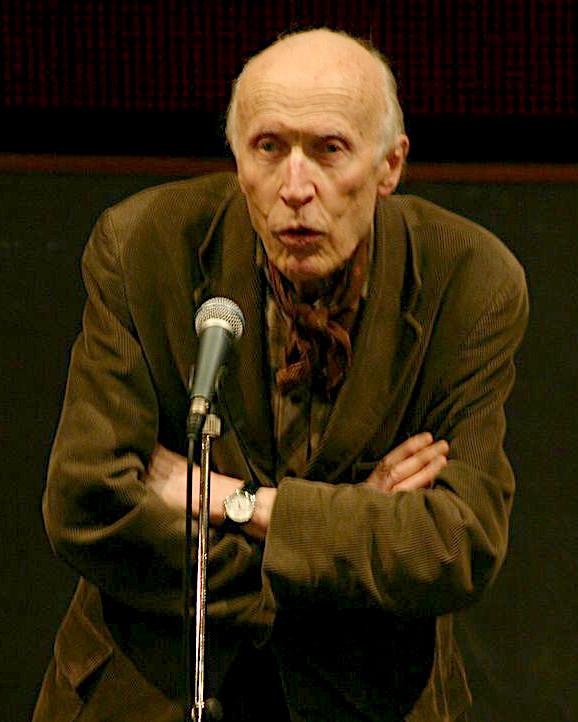
Know Thyself: Eric Rohmer’s “Élisabeth”
تنها رمان اریک رومر سرانجام به انگلیسی ترجمه شد
Theater
تئاتر

THEATER
The Writer-Director Bonds Behind ‘School Girls’ and ‘ANON’
دو همکاری دیرینهٔ نویسنده و کارگردان روی صحنههای نیویورک
THEATER
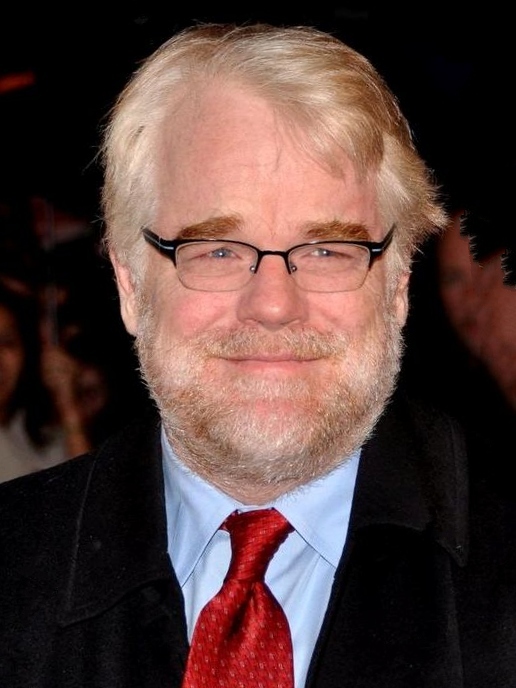
Nadia Hopkins’s ‘Humane Traps’ Takes 2026 Relentless Award
نمایشنامهٔ نادیا هاپکینز جایزهٔ Relentless را برد

THEATER
This Month in Theatre History
American Theatre سالگردهای اکتبر در تاریخ تئاتر را مرور میکند
Books
کتاب

BOOKS
Is It or Isn’t It? How Generative AI is Poisoning the Literary Well For Everyone
اتهام هوش مصنوعی سایه بر جایزهٔ Caine انداخت


BOOKS
Indie Presses and the Literary Ecosystem: Meg Reid and Will Evans
ناشران مستقل و زیستبوم ادبیات در یک گفتوگو
BOOK OF THE WEEK
کتاب هفته

The Stone Raft; by José Saramago
By Owrang Editorial
Forty years after it was written, a novel about a peninsula that breaks away from Europe reads newly in an age of borders and departures
The Stone Raft is a novel by José Saramago, the Portuguese writer and 1998 Nobel laureate in literature, published in Lisbon in 1986, the year Spain and Portugal joined the European Economic Community. It was translated into English by Giovanni Pontiero, and George Sluizer made a film of it in 2002. Its Persian translations include those by Mehdi Ghobraei (Hashemi) and Kiumars Parsay (Nashr-e Elm), both titled Balam-e Sangi.
Synopsis
One day a huge crack opens along the Pyrenees and the Iberian Peninsula, Spain and Portugal, breaks away from the continent of Europe. The vast landmass begins to drift into the Atlantic like a raft of stone. Governments, scientists and the media try to explain a phenomenon that fits none of the known laws of nature. People flee the coasts and the order of daily life falls apart.
Meanwhile five inhabitants of the drifting peninsula, each of whom has had a strange and inexplicable experience, gradually come together. Joana Carda draws an indelible line in the earth with a stick, Joaquim Sassa has thrown a stone into the sea, José Anaiço is followed everywhere by a flock of starlings, Pedro Orce, an old pharmacist, feels the earth tremble beneath him, and Maria Guavaira unravels an old sock that yields an apparently endless length of blue thread. With an unidentified dog they travel through a land that is itself travelling, and their fate becomes bound up with the land moving beneath their feet.
Critique One: Geography as a Political Question
Kirkus Reviews reads the book as a playful what-if in which Saramago "slyly satirizes current European and international politics." The reviewer enjoys the chain of strange portents and the young Europeans rioting under the slogan "We are Iberians too," and calls the novel "a splendidly imagined epic voyage on an unlikely ship" and "a fabulous fable."
David Gilmour, a historian of Spain and Italy, sees the same link with history from another angle in The New York Review of Books. The novel, he notes, was published in the year Spain and Portugal joined the European Community, Gilmour recalls that Saramago himself described the impulse behind the novel as a kind of "historical grudge," but argues that the author's resentment of how the rich countries of northern Europe treated Portugal and Spain turns, in parts of the novel, into an exaggerated grievance. He points out that Saramago himself later left Portugal for the Canary Islands.
The imagined separation can also be read as a chance to picture new ties. A land that drifts away from Europe, west and south across the ocean, reminds the reader of Iberia's shared history with Latin America and Africa.
Critique Two: When Governments Seek to Explain the Impossible
As the peninsula breaks away, government agencies and scientific institutions attempt to explain and contain the crisis. Publishers Weekly calls the book a "charming Portuguese political fable" and enjoys the bureaucrats fretting as the land mass heads for the Azores; it finds the political satire "marvelously amusing," lifted by nimble prose and metaphysical touches. Kirkus, too, notes the politicians who respond only with ineffectual statements.
The impossible is told so matter-of-factly that the reader, instead of looking for a scientific explanation, turns to the characters' reactions. Saramago's humour comes from this shift: a world whose order an impossible event has upset, in which the officials sometimes behave more absurdly than the event itself.
Critique Three: Saramago's Language, Innovation or Obstacle?
Saramago's style here is marked by long sentences, flowing, minimally punctuated dialogue and a narrator who frequently intervenes. In The New York Review of Books, David Gilmour admires this style in Saramago's tighter novels but writes that here his punctuation, only commas and full stops, sometimes leaves the reader puzzled about who is speaking. The wit is sporadic and "all too often the humor is pedantic and contrived," and "none of the characters in The Stone Raft is real or interesting."
Publishers Weekly, for all its praise, has two reservations: an unexplained darkness intrudes, with Saramago heckling his characters for no clear reason, and the conclusion "seems abrupt," its somber tone striking the reviewer as unconvincing.
Where They Agree and Differ
All three reviews attend to the political side of The Stone Raft, but they differ on its importance and literary success: for Kirkus a fabulous fable and sly satire, for Publishers Weekly an amusing satire with a weak ending, for Gilmour a historical grievance peopled by lifeless characters. They also differ on Saramago's style, nimble to one and at times confusing and tiresome to another. Even so, the novel can also be read beyond its political allegory, as the story of five travellers who, for all their differences, must find a way to live together on unstable ground. In this reading the peninsula's voyage is not only a political allegory, and human relationships make up part of its meaning.
Sources: Kirkus Reviews (May 1, 1995); Publishers Weekly (May 1, 1995); David Gilmour, "Adrift in Iberia," The New York Review of Books (Oct. 5, 1995).
Synopsis
One day a huge crack opens along the Pyrenees and the Iberian Peninsula, Spain and Portugal, breaks away from the continent of Europe. The vast landmass begins to drift into the Atlantic like a raft of stone. Governments, scientists and the media try to explain a phenomenon that fits none of the known laws of nature. People flee the coasts and the order of daily life falls apart.
Meanwhile five inhabitants of the drifting peninsula, each of whom has had a strange and inexplicable experience, gradually come together. Joana Carda draws an indelible line in the earth with a stick, Joaquim Sassa has thrown a stone into the sea, José Anaiço is followed everywhere by a flock of starlings, Pedro Orce, an old pharmacist, feels the earth tremble beneath him, and Maria Guavaira unravels an old sock that yields an apparently endless length of blue thread. With an unidentified dog they travel through a land that is itself travelling, and their fate becomes bound up with the land moving beneath their feet.
Critique One: Geography as a Political Question
Kirkus Reviews reads the book as a playful what-if in which Saramago "slyly satirizes current European and international politics." The reviewer enjoys the chain of strange portents and the young Europeans rioting under the slogan "We are Iberians too," and calls the novel "a splendidly imagined epic voyage on an unlikely ship" and "a fabulous fable."
David Gilmour, a historian of Spain and Italy, sees the same link with history from another angle in The New York Review of Books. The novel, he notes, was published in the year Spain and Portugal joined the European Community, Gilmour recalls that Saramago himself described the impulse behind the novel as a kind of "historical grudge," but argues that the author's resentment of how the rich countries of northern Europe treated Portugal and Spain turns, in parts of the novel, into an exaggerated grievance. He points out that Saramago himself later left Portugal for the Canary Islands.
The imagined separation can also be read as a chance to picture new ties. A land that drifts away from Europe, west and south across the ocean, reminds the reader of Iberia's shared history with Latin America and Africa.
Critique Two: When Governments Seek to Explain the Impossible
As the peninsula breaks away, government agencies and scientific institutions attempt to explain and contain the crisis. Publishers Weekly calls the book a "charming Portuguese political fable" and enjoys the bureaucrats fretting as the land mass heads for the Azores; it finds the political satire "marvelously amusing," lifted by nimble prose and metaphysical touches. Kirkus, too, notes the politicians who respond only with ineffectual statements.
The impossible is told so matter-of-factly that the reader, instead of looking for a scientific explanation, turns to the characters' reactions. Saramago's humour comes from this shift: a world whose order an impossible event has upset, in which the officials sometimes behave more absurdly than the event itself.
Critique Three: Saramago's Language, Innovation or Obstacle?
Saramago's style here is marked by long sentences, flowing, minimally punctuated dialogue and a narrator who frequently intervenes. In The New York Review of Books, David Gilmour admires this style in Saramago's tighter novels but writes that here his punctuation, only commas and full stops, sometimes leaves the reader puzzled about who is speaking. The wit is sporadic and "all too often the humor is pedantic and contrived," and "none of the characters in The Stone Raft is real or interesting."
Publishers Weekly, for all its praise, has two reservations: an unexplained darkness intrudes, with Saramago heckling his characters for no clear reason, and the conclusion "seems abrupt," its somber tone striking the reviewer as unconvincing.
Where They Agree and Differ
All three reviews attend to the political side of The Stone Raft, but they differ on its importance and literary success: for Kirkus a fabulous fable and sly satire, for Publishers Weekly an amusing satire with a weak ending, for Gilmour a historical grievance peopled by lifeless characters. They also differ on Saramago's style, nimble to one and at times confusing and tiresome to another. Even so, the novel can also be read beyond its political allegory, as the story of five travellers who, for all their differences, must find a way to live together on unstable ground. In this reading the peninsula's voyage is not only a political allegory, and human relationships make up part of its meaning.
Sources: Kirkus Reviews (May 1, 1995); Publishers Weekly (May 1, 1995); David Gilmour, "Adrift in Iberia," The New York Review of Books (Oct. 5, 1995).