
The Lost Animal

It was 500 years before the birth of Christ. Or perhaps 200. I do not remember exactly. Maybe 400 or 500, perhaps 100, 70, 20, one, or even two thousand years before Christ. What does it matter, after all, how many years before Christ it was? Whatever the date may have been, it changes nothing in the story itself. I am not a historian, that I should determine the precise date of every event with the accuracy of the gentlemen scholars of the science of history. And even if I were a historian, I would not do it. If you want to know why, my answer is: “There must be a reason.”
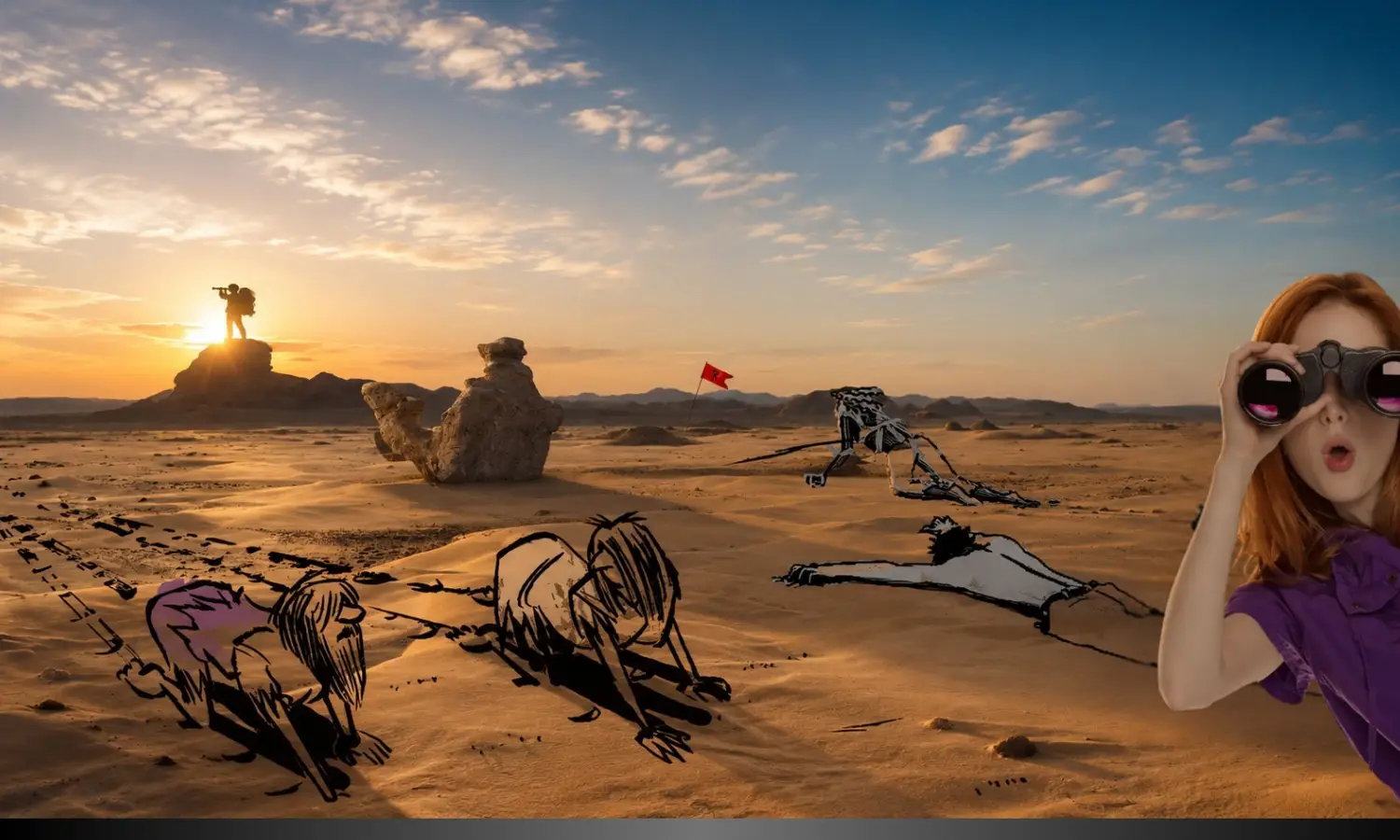
In any case, on the date just mentioned, exactly and precisely on that very date, in what is now the Lut Desert and was formerly naked, a camel was lost. And less than twenty-four hours after this camel went missing, the mighty government of Iran declared war on the Roman Empire.
Of course, I am not certain whether the missing animal was a camel or a horse. It may also have been a hunting bird, or one of those prehistoric animals. Since I am not a paleontologist, I cannot say exactly what sort of animal it was. In any case, the fossil of that animal is still kept in the World Museum of Paleontology in one of the Western countries, and those interested may visit it every day, except on holidays, from 9 a.m. to 5 p.m.
Yes, less than twenty-four or twenty-seven days had passed since the animal disappeared when the two great empires of that time entered into war. And as the gentlemen scholars of the science of history have written, this war became known as the War of the Camel. Or perhaps the War of the Horse, or the War of the Bird.
The essential reason for this declaration of war by the mighty government of the former Persia was that this animal, this tall and noble camel — in one of the histories, the adjective “noble” has been used for this animal, and for that very reason some mineralogists have concluded that perhaps the animal was a horse — yes, this tall and noble camel or horse was the tame animal of the king of the time, who was probably Cyrus the Great, or Darius the Great, or Mithridates the Great. It may also have been that the king in question was Artaxerxes Longimanus or Shapur the Broad-Shouldered. But well… perhaps it was not. For there is another opinion according to which this animal was a national animal and not only had no connection with kings, but the kings themselves had prepared the ground for its disappearance.
In any case, since this animal had disappeared in the deserts between Iran and Rome — although some historians have considered this place to be the formerly naked and presently Lut Desert mentioned earlier, but one cannot place too much trust in historians — the Iranian government held the Roman government directly responsible for the incident and immediately announced in the General Assembly of the United Nations that Rome must hand over the animal. And since the United Nations did not exist at that time, Iran’s action was considered an undiplomatic and clumsy one.
There was still an hour left before the camel was lost when the war broke out. What a war it was — such a war as the eye of time had never seen. In a single day, 124,342 dead — perhaps even more — lay on the ground from both sides. Of course, one renowned Irish historian puts the number at no more than two, but he is lying. In this matter, one must accept the word of the Cuban historians, who speak of one million and fifty-seven and a half.
Before the war had lasted even one year, the number of the dead had reached 47 million. And since there were no inhabitants left in either of the two powerful countries of the time, they levied a population tax on the people, and each side collected twenty million people in tax in one night. The war once again turned into a general mêlée.
Various leftist groups — supporters of the Soviet Union, China, Cuba, Albania, and so on — watched this scene with longing and regretted that Marx, Lenin, Stalin, Mao, Enver Hoxha, and the others had not yet been born, so that they could establish a Communist Party and lead a national liberation war until the victory of the proletariat. And of course, the fact that no proletariat yet existed mattered not in the least to them.
The Iranians performed acts of heroism. They launched attacks. They sacrificed their lives. And although the war had its twists and turns, it had no victor.
Before one year, eight months, two weeks, three days, and four hours of the war had passed, the two countries again suffered a total of 42 million dead. And since they had collected only twenty million people in tax, they also fell two million into debt. The situation became infinitely grave. Plague, cholera, and a thousand other incurable diseases, all among the calamities of war, appeared.
The two countries decided to negotiate. And on a hot day, inside a brocade tent with tassels hanging all around it, the two emperors gathered for talks in order to put an end to this long war. At the very same time, however, each of them had secretly sent tax agents to the farthest corners of the country to collect the population tax, and during the period in which the negotiations continued, each side had collected millions of people in tax.
Yes, the negotiations continued in the presence of representatives of the Pope, the Tsar, Metternich, Guizot, the Chancellor of Germany, and the Radicals of France, and led to this brilliant conclusion: the two countries would cooperate closely in searching for the lost camel, find it, and return it to its owner.
The search continued from house to house and city to city. Even the qanats, wells, pits and potholes, empty streams, and dry rivers were searched. But there was no trace of the missing animal. None at all.
Despair at finding the animal led to anger, and anger led to mutual accusations. Rome even claimed that, in principle and from the very beginning, no animal had ever existed. Iran replied: “If no animal existed, then what was the cause of the war?”
Rome had no answer to this well-reasoned statement. Therefore, the search and the extensive investigations were extended for one more month.
On one bright moonlit night, a Roman soldier found a trace of the animal along the course of a river. Boats were launched into the water, and the search began without hesitation. This search continued for a full fifty years. But the trace of the animal remained, and the pursuers followed it. From one river to another river, and from the river to a sea, and then to a shore, and from there to a forest, and from the forest to a plain, and from the plain to a vast expanse.
After centuries, the advance scouts of the search found the missing animal on a border between sleep and death. And since centuries had passed since the death of the two emperors, and yet the war had still not ended, representatives of the great nations stepped in to identify the animal.
But the more they looked at it, the more unknown it became to them. For the animal, asleep or dead, was neither a camel, nor a horse, nor a dinosaur, nor a bird.
At last, an old man who had lived for thousands of years was invited to that place at the expense of the Organization of Peace-Loving and War-Loving Countries.
The old man examined the animal for hours. Then he stroked his beard, smiled, and said, “I have found it.”
A strange silence fell everywhere. Reporters rushed toward the old man to hear the name of the historic animal and to learn whether this was indeed the same war-provoking creature.
The old man replied with confidence: “Yes. This is the one. And contrary to what the gentlemen have written and said, its name is neither camel nor horse.”
A murmur rose: “Yes, it is not. But what is it?”
The old man answered calmly, “I believe its name is Common Sense.”
The moment the old man spoke this name, the animal yawned and rolled from one side to the other. At that same moment, from an unknown point, the sound of a gunshot rose into the air.
The crowd had not yet recovered from the excitement of the animal’s movement and the sound of the gunshot when it realized that the bullet had struck the old man and knocked him to the ground.
The crowd gathered around him. The old man summoned all his strength and, before giving up his life, spoke his final words:
“Wake it. Call it. Wake it
حیوان گمشده
نوشتهٔ Sadegh Hatefi
۵۰۰ سال قبل از میلاد مسیح بود، شاید هم ۲۰۰ سال، درست یادم نیست ۴۰۰ یا ۵۰۰، شاید هم صد، هفتاد، بیست، یک یا حتی دو هزار سال قبل از میلاد مسیح بود، اصلاً چه اهمیتی دارد که چند سال قبل از میلاد مسیح بوده است، این تاریخ، هرچه باشد، در اصل داستان تغییری نمیدهد، من که مورخ نیستم تا تاریخ دقیق هر رویدادی را به دقت آقایان علمای علم تاریخ مشخص کنم، تازه اگر هم مورخ بودم، این کار را نمیکردم، اگر میخواهید بدانید چرا؟ جواب من این است: «لابد دلیلی دارد.»
به هر حال در آن تاریخی که عرض شد، درست و دقیقاً در همان تاریخ در کویر لوت فعلی و برهنه سابق، شتری گم شد، و هنوز ۲۴ ساعت از گم شدن این شتر نگذشته بود که دولت مقتدر ایران، به امپراطوری روم اعلان جنگ داد. البته در این که حیوان گمشده شتر بوده یا اسب، مطمئن نیستم، شاید هم پرندهای شکاری و یا یکی از آن حیوانات ماقبل تاریخ بوده است، و از آنجا که من دیرینهشناس نیستم، پس نمیتوانم دقیقاً مشخص کنم که چه نوع حیوانی بوده است، اما به هر حال فسیل آن حیوان، هنوز در موزه جهانی فسیلشناسی در یکی از کشورهای باختری نگهداری میشود و علاقهمندان میتوانند همهروزه بجز ایام تعطیل از ساعت ۹ صبح الی ۵ بعدازظهر از آن بازدید به عمل آورند.
بله هنوز ۲۴ یا ۲۷ روز از گم شدن حیوان نگذشته بود که دو امپراطوری بزرگ آن زمان وارد جنگ شدند و همانگونه که آقایان علمای علم تاریخ نوشتهاند، این جنگ به نام جنگ شتر معروف شد، شاید هم به نام جنگ اسب و یا جنگ پرنده.
علت اساسی این اعلان جنگ از سوی دولت مقتدر پارس سابق این بود که این حیوان، این شتر قدبلند و نجیب ـ در یکی از تواریخ صفت نجیب را برای این حیوان به کار بردهاند و پارهای از معدنشناسان به همین دلیل نتیجه گرفتهاند که شاید آن حیوان اسب بوده است ـ بله این شتر یا اسب قدبلند و نجیب حیوان دستآموز شاه وقت بود، که احتمالاً کوروش کبیر یا داریوش کبیر و یا مهرداد کبیر بوده است، شاید هم شاه مذکور، اردشیر درازدست یا شاپور ذوالاکتاف بوده است، ولی خوب… شاید هم نبود، چون عقیده دیگری نیز وجود دارد مبنی بر آن که این حیوان، حیوانی ملی بوده است و نه تنها با شاهان ارتباطی نداشته است، بلکه خود شاهان زمینههای گم شدن او را فراهم آوردهاند.
به هر حال از آنجا که این حیوان در بیابانهای بین ایران و روم گم شده بود ـ البته برخی مورخین این محل را برهنه سابق و کویر لوت فعلی که قبلاً ذکر شد دانستهاند اما به حرف مورخین زیاد نمیتوان اعتماد کرد ـ دولت ایران، دولت روم را مسئول مستقیم این حادثه دانست و بلافاصله در مجمع عمومی سازمان ملل متحد اعلام کرد که روم باید این حیوان را تحویل دهد و چون آن زمان سازمان ملل متحد وجود نداشت، بنابراین، اقدام ایران، یک اقدام غیردیپلماتیک و ناشیانه به حساب آمد، هنوز به گم شدن شتر ساعتی باقی مانده بود که جنگ درگرفت، چه جنگی که چشم روزگار نظیر آن را هرگز ندیده بود، تنها در یک روز ۱۲۴ هزار و سیصد و چهل و دو کشته ـ شاید هم بیشتر ـ از دو طرف بر زمین ماند، البته یک مورخ شهیر ایرلندی این رقم را دو نفر بیشتر نمیداند، اما دروغ میگوید و در این مورد باید قول مورخین کوبایی را پذیرفت که از یک میلیون و پنجاه و هفت نفر و نصفی صحبت میکنند.
هنوز یک سال از طول جنگ نگذشته بود که رقم کشتهشدگان به ۴۷ میلیون نفر رسید و چون دیگر سکنهای در هیچ یک از دو کشور نیرومند زمان باقی نماند، به اهالی مالیات جمعیت بستند و هر یک در یک شب ۲۰ میلیون نفر مالیات گرفتند و جنگ دوباره مغلوبه شد، گروههای مختلف چپ اعم از حامیان شوروی و چین و کوبا و آلبانی و غیره با حسرت به این منظره مینگریستند و افسوس میخوردند که چرا هنوز مارکس و لنین و استالین و مائو و انور خوجه و غیره متولد نشدهاند، تا آنها بتوانند ضمن ایجاد حزب کمونیست، یک جنگ آزادیبخش ملی را تا پیروزی پرولتاریا رهبری کنند و البته این که پرولتاریایی هنوز وجود نداشت، برایشان کوچکترین اهمیتی نداشت.
ایرانیها قهرمانیها کردند، حملهها کردند، جانفشانیها کردند، و جنگ، هرچند، کش و قوس داشت، اما پیروز نداشت. هنوز یک سال و هشت ماه و دو هفته و سه روز و چهار ساعت از جنگ نگذشته بود که باز دو کشور مجموعاً ۴۲ میلیون نفر کشته دادند و چون ۲۰ میلیون نفر بیشتر مالیات نگرفته بودند، ۲ میلیون هم بدهکار شدند، وضع بینهایت وخیم شد، طاعون، وبا و هزار مرض علاجناپذیر دیگر که از بلیات جنگ بودند، ظاهر شدند، دو کشور تصمیم به مذاکره گرفتند، و در یک روز داغ، در یک چادر زربفت که دور تا دورش منگوله آویخته بودند، دو امپراطور برای مذاکره گرد آمدند، تا به این جنگ طولانی خاتمه دهند، اما در همان حال، هر یک در خفا مأمورین مالیات را برای جمعآوری مالیات جمعیت به اقصی نقاط کشور فرستاده بودند و در طول مدتی که مذاکره ادامه داشت، هر یک میلیونها نفر مالیات جمع کرده بودند.
آری مذاکره با حضور نمایندگان پاپ، تزار، مترنیخ، گیزو، و صدراعظم آلمان و رادیکالهای فرانسه ادامه یافت و به این نتیجه درخشان منجر شد که دو کشور با همکاری نزدیک به جستجوی شتر گمشده بپردازند و آن را یافته به صاحبش تحویل دهند. جستجو خانه به خانه و شهر به شهر ادامه یافت، حتی کاریزها، چاهها، چالهچولهها و نهرهای خالی و رودخانههای خشک نیز جستجو شدند، اما از حیوان گمشده اثری نبود که نبود. یأس از یافتن حیوان به خشم و آنگاه به متهم کردن یکدیگر منجر شد، و حتی روم مدعی شد که اصولاً و از اول حیوانی وجود نداشته است. و ایران در جواب اعلام کرد که: اگر حیوانی وجود نداشته است، پس علت جنگ چه بوده است؟
روم به این گفته مستدل پاسخی نداشت، پس یک ماه دیگر، ادامه جستجو و تحقیقات وسیع تمدید گردید.
در یکی از شبهای روشن و مهتابی، یک سرباز رومی ردی از حیوان در مسیر رودخانه پیدا کرد، قایقها به آب افتاد و جستجو بیتأمل آغاز شد، پنجاه سال تمام این جستجو ادامه یافت، اما رد حیوان همچنان برجای بود و تعقیبکنندگان آن را دنبال میکردند. از رودخانهای به رودخانهای و از رودخانه به دریایی و آنگاه به ساحلی و از آنجا به جنگلی و از جنگل به دشتی و از دشت به فضایی گسترده رسیدند و بعد از قرنها طلایهداران جستجو، حیوان گمشده را در مرزی میان خواب و مرگ یافتند، و چون از مرگ دو امپراطور قرنها میگذشت و با وجود این جنگ هنوز پایان نگرفته بود، نمایندگان ملل بزرگ برای تشخیص حیوان وارد عمل شدند، اما هرچه به آن نگاه میکردند، مجهولشان بیشتر میشد، زیرا که حیوان به خواب رفته، یا مرده، نه شتر بود، نه اسب، نه دایناسور و نه پرنده، سرانجام پیرمردی هزاران سال عمر کرده بود، به خرج سازمان کشورهای صلحدوست و جنگطلب به آن نقطه دعوت شد.
پیرمرد، ساعتها حیوان را برانداز کرد، آنگاه دستی به محاسن کشید و لبخندی زد و گفت: یافتم، سکوتی عجیب همه جا را فرا گرفت. خبرنگاران برای شنیدن نام حیوان تاریخی و این که آیا این همان موجود جنگافروز است یا نه به سوی پیرمرد هجوم بردند. پیرمرد در پاسخ با اطمینان جواب داد: «آری این همان است و نامش به خلاف آن چه آقایان نوشتهاند و گفتهاند، نه شتر است و نه اسب»، همهمه درگرفت که آری نیست، اما چیست؟
پیرمرد آرام پاسخ داد، تصور میکنم نامش شعور باشد.
به محض آن که پیرمرد این نام را گفت، حیوان خمیازهای کشید و از دندهای به دنده دیگر غلتید و در همان حال از نقطهای نامعلوم صدای شلیک گلولهای به هوا برخاست.
جمعیت هنوز از هیجان تکان حیوان و صدای گلوله به خود نیامده بود که متوجه شد گلوله به پیرمرد اصابت کرده است و او را نقش زمین کرده است، جمعیت به دور او حلقه زد، پیرمرد تمام نیرویش را جمع کرد و قبل از جان سپردن آخرین کلامش را بر زبان راند:
بیدارش کنید، صدایش کنید، بیدار