
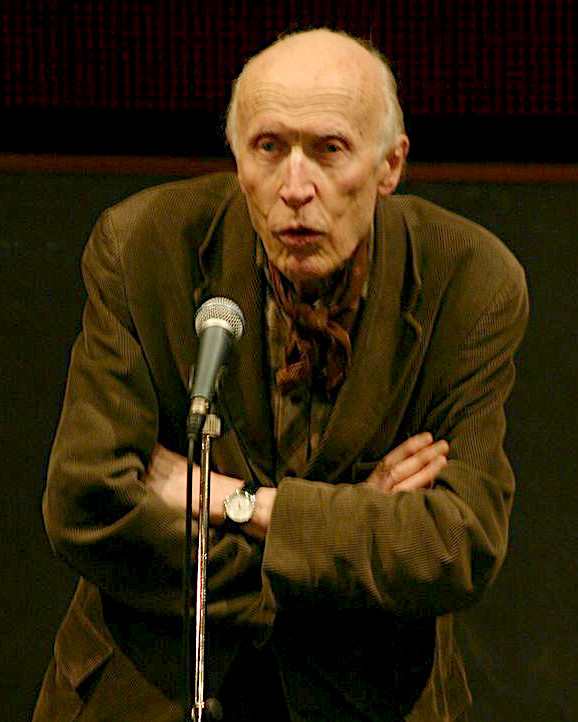
In MUBI Notebook, Oliver Evans reads Élisabeth, the only novel by Éric Rohmer, now published in English translation for the first time. Gallimard issued it in 1946 under the pseudonym Gilbert Cordier, when Rohmer was still Maurice Scherer, a teacher of Latin and Ancient Greek from Tulle, and it drew no interest. Set during a stifling summer in the Normandy village of Percy, it follows holidaying bourgeois characters who fall in and out of love and fail to make decisions, motifs Rohmer would later build his films on. Yet Evans finds the book surprisingly difficult and experimental. Speakers blur together, one character poses as his cousin without the narration saying so, perspectives and tenses shift unannounced, and the title character stays on the margins. He links it to the nouveau roman of Alain Robbe-Grillet, Nathalie Sarraute, Claude Simon and Marguerite Duras, a kinship Rohmer himself claimed. Evans traces how the novel's gap between appearance and substance became central to films such as The Green Ray, whose heroine Delphine leaves her choice to chance. He also recalls Rohmer's many pseudonyms, his apolitical editorship of Cahiers du cinéma and his later disowning of early writing on 'Oriental' cultures. Photo: Smdl, CC BY-SA 3.0, via Wikimedia Commons.
تنها رمان اریک رومر سرانجام به انگلیسی ترجمه شد
الیور اوانز [Oliver Evans] در MUBI Notebook رمان «Élisabeth» را میخواند، تنها رمان اریک رومر که اکنون نخستین بار به انگلیسی ترجمه و منتشر شده است. انتشارات Gallimard این کتاب را در سال ۱۹۴۶ با نام مستعار ژیلبر کوردیه منتشر کرد، زمانی که رومر هنوز موریس شرر بود، معلم لاتین و یونانی باستان اهل شهر تول، و کتاب توجهی برنینگیخت. داستان در تابستانی دمکرده در روستای پرسی در نرماندی میگذرد و آدمهایی از طبقهٔ مرفه را در تعطیلات دنبال میکند که دل میبندند و دل میکنند و از تصمیم گرفتن ناتواناند، همان مایههایی که رومر بعدها فیلمهایش را بر آنها بنا کرد. با این حال اوانز کتاب را بهطرزی غیرمنتظره دشوار و تجربی مییابد. گویندگان در هم میآمیزند، شخصیتی خود را به جای یکی از خویشانش جا میزند بیآنکه راوی اشارهای کند، زاویهٔ دید و زمان روایت بیخبر عوض میشود و شخصیتی که نامش بر کتاب است در حاشیه میماند. نویسنده این رمان را به رمان نو و نویسندگانی چون آلن روبگرییه، ناتالی ساروت، کلود سیمون و مارگریت دوراس پیوند میدهد، خویشاوندیای که خود رومر هم بر آن تأکید داشت. او نشان میدهد که فاصلهٔ ظاهر و باطن در این رمان به مایهٔ اصلی فیلمهایی چون «The Green Ray» بدل شد که قهرمانش دلفین تصمیمش را به بخت میسپارد. اوانز همچنین از نامهای مستعار فراوان رومر، دوریاش از سیاست در دورهٔ سردبیری Cahiers du cinéma و انکار بعدی نوشتههای جوانیاش دربارهٔ فرهنگهای شرقی یاد میکند. عکس از Smdl، CC BY-SA 3.0، Wikimedia Commons.