
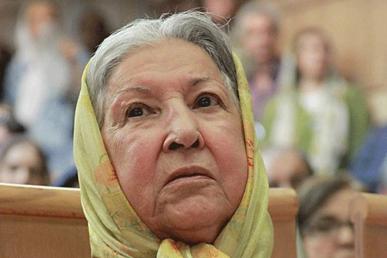
The Words of the Library, in Memory of Pouri Soltani
By Owrang Editorial
Pourandokht Soltani, known to everyone as Pouri, was born in 1931 and died in Tehran on November 7, 2015. Iranians call her the mother of modern librarianship in Iran, and the title is earned. She graduated in Persian literature from Tehran University in 1952 and married the poet and journalist Morteza Keyvan in 1954; three months later he was arrested and executed, and she spent the rest of her life alone with his memory. She turned to library work, trained in the new science of librarianship, helped found the Iranian Documentation Center in 1968, and over fifty years of continuous work shaped the technical foundations of the National Library of Iran. Among the tools she left behind are the Persian Subject Headings, the Encyclopedia of Library and Information Science, and the reference works that every Iranian librarian still trains on. The Iranian Library and Information Science Association gave her its Science Promotion Prize.
One part of that legacy is less visible: the words themselves. Soltani was a member of the library and information science terminology group at the Academy of Persian Language and Literature, the body that coins and approves Persian equivalents for foreign technical terms. The Academy's Cheshm-o-Cheragh channel recently marked her birthday by republishing a handful of the approved terms in her field. We reproduce them here as the Academy published them, with its definitions.
gozarman = annotation. A short note, usually placed beneath a work, describing its content, its structure, or both.
ketab-negari = bibliography (1). The process of describing books and other sources with particular attention to their authorship, publication, and physical structure.
ketab-negasht = bibliography (2). A list of bibliographic information about books and other sources, arranged in a particular order.
fehrestgan = union catalogue, union list. A shared catalogue of all or part of the collections of several libraries, giving the location of each item.
jaynameh = gazetteer. A book containing a list of place names with descriptive, geographic, historical, and statistical information.
taranevisi = transcription (the act). Recording speech in written form.
taranevesht = transcription (the product). The written form of recorded speech.
barchin = excerpt. A section, passage, or piece taken from a longer work such as a book, film, piece of music, or document, without any alteration.
ettela'at-e sakhtmand = structured information. Analyzed information whose parts and sections themselves contain smaller parts and sections.
Members of the Academy's library and information science terminology group over the years have included the late Pourandokht Soltani Shirazi, Ebrahim Afshar, Fariba Afkari, Nahid Bani-Eghbal, Shirin Taavoni, the late Abbas Horri, Firouzan Zahadi, the late Kamran Fani, Nourollah Moradi, and Narges Neshat.
Why does this matter to us? Because Owrang keeps a library. Ganjineh, our online catalog, describes each work with an annotation, lists its editions and translations, and points the reader to where a copy is held. Those are exactly the things these words name: gozarman, ketab-negasht, fehrestgan. Ganjineh works to use the Academy's approved terms on its Persian pages. It is a small way of saying that a library built by Iranians abroad still speaks the language of the woman who taught Iran how to catalog its books.
Source: Cheshm-o-Cheragh, the Academy of Persian Language and Literature (@cheshmocheragh)
Translation assisted by AI
واژههای کتابداری، به یاد پوری سلطانی
نوشتهٔ Owrang Editorial
پوراندخت سلطانی، که همه او را پوری میشناختند، در سال ۱۳۱۰ به دنیا آمد و ۱۶ آبان ۱۳۹۴ در تهران درگذشت. ایرانیان او را مادر کتابداری نوین ایران مینامند و این لقب حق اوست. در سال ۱۳۳۱ از دانشگاه تهران در رشته زبان و ادبیات فارسی فارغالتحصیل شد و در ۱۳۳۳ با مرتضی کیوان، شاعر و روزنامهنگار، ازدواج کرد؛ سه ماه بعد کیوان بازداشت و تیرباران شد و او باقی عمر را با یاد او گذراند. سلطانی به کار کتابخانه روی آورد، دانش تازه کتابداری را آموخت، در سال ۱۳۴۷ در بنیانگذاری مرکز اسناد و مدارک ایران سهم داشت و در پنجاه سال کار پیوسته، پایههای فنی کتابخانه ملی ایران را شکل داد. «سرعنوانهای موضوعی فارسی»، «دانشنامه کتابداری و اطلاعرسانی» و مرجعهایی که هنوز هر کتابدار ایرانی با آنها تربیت میشود از او به جا مانده است. انجمن کتابداری و اطلاعرسانی ایران جایزه ترویج علم را به او داد.
بخشی از این میراث کمتر دیده میشود: خود واژهها. سلطانی عضو گروه واژهگزینی علوم کتابداری و اطلاعرسانی در فرهنگستان زبان و ادب فارسی بود، نهادی که برای اصطلاحهای فنی بیگانه برابر فارسی میسازد و تصویب میکند. کانال «چشم و چراغ» فرهنگستان به مناسبت زادروز او چند واژه مصوب این حوزه را بازنشر کرد. آنها را همانگونه که فرهنگستان منتشر کرده، با تعریفهایش، در اینجا میآوریم.
گزارمان: annotation
یادداشتی کوتاه که معمولاً ذیل یک اثر درج میشود و محتوا یا ساختار یا هر دو را توصیف میکند
کتابنگاری: bibliography 1
فرایند توصیف کتابها و سایر منابع با توجه خاص به وضعیت تألیف و نشر و ساختار مادی آنها
کتابنگاشت: bibliography 2
سیاههای از اطلاعات کتابشناختی کتابها و سایر منابع که با ترتیبی خاص مرتب شده باشد
منبع: کانال «چشم و چراغ»، فرهنگستان زبان و ادب فارسی (@cheshmocheragh)
فهرستگان: union catalogue, union list
فهرست مشترک همه یا قسمتی از مجموعه چند کتابخانه با ذکر محل نگهداری
جاینامه: gazetteer
کتابی مشتمل بر سیاهه اسامی اماکن، همراه با اطلاعات توصیفی و جغرافیایی و تاریخی و آماری
ترانویسی: transcription
ثبت گفتار به شکل نوشتار
ترانوشت: transcription
صورت ثبتشده گفتار به شکل نوشتار
برچین: excerpt
بخش یا متن یا قطعهای استخراجشده از یک اثر مفصلتر از قبیل کتاب، فیلم، اثر موسیقایی یا سند، بدون هیچگونه دستکاری در آن
اطلاعات ساختمند: structured information
اطلاعات تحلیلشدهای با اجزا و بخشهایی که خود دارای اجزا و بخشهای ریزتری هستند
اعضای گروه واژهگزینی علوم کتابداری و اطلاعرسانی که در دورههای گوناگون با فرهنگستان همکاری کردهاند: مرحوم پوراندخت سلطانی شیرازی، ابراهیم افشار، فریبا افکاری، ناهید بنیاقبال، شیرین تعاونی، مرحوم عباس حری، فیروزان زهادی، مرحوم کامران فانی، نورالله مرادی و نرگس نشاط.
چرا این برای ما مهم است؟ چون اورنگ خودش کتابخانه دارد. گنجینه، فهرست برخط ما، هر اثر را با یادداشتی کوتاه معرفی میکند، چاپها و ترجمههایش را فهرست میکند و خواننده را به جایی میفرستد که نسخهای از آن نگهداری میشود. اینها دقیقاً همان چیزهایی است که این واژهها نام میگذارند: گزارمان، کتابنگاشت، فهرستگان. گنجینه میکوشد واژههای مصوب فرهنگستان را در صفحههای فارسی خود به کار گیرد. راهی کوچک برای گفتن اینکه کتابخانهای که ایرانیان بیرون از ایران ساختهاند هنوز به زبان زنی سخن میگوید که به ایران آموخت کتابهایش را چگونه فهرست کند.