
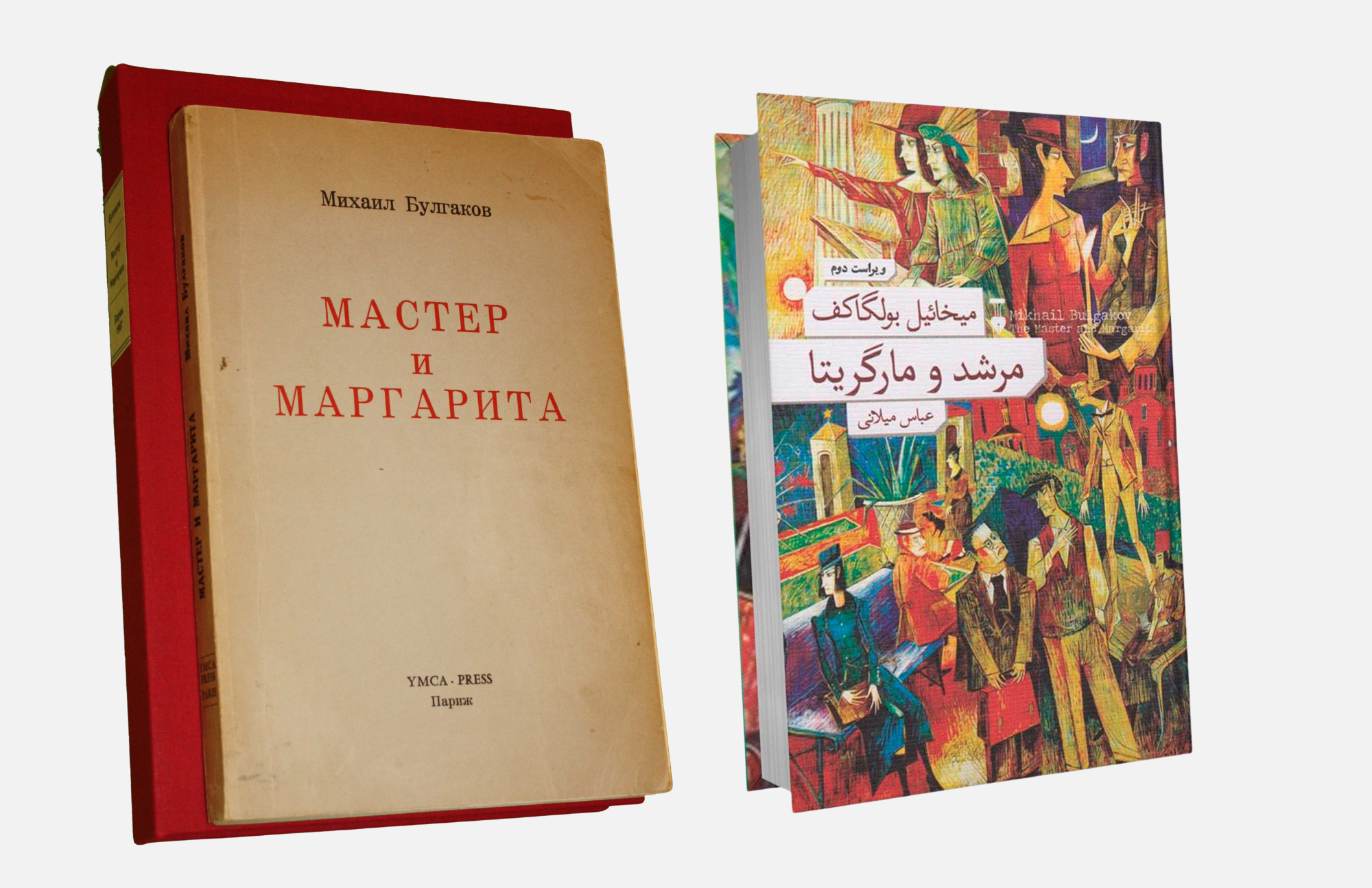
The Master and Margarita by Mikhail Bulgakov
Manuscripts Don't Burn
By Owrang Editorial
The devil has come to Stalin's Moscow, disguised as a foreign professor named Woland, with a strange retinue and a huge black cat who walks on two legs. Within days the city's apparently rational order, from the official literary establishment to the housing committees, turns into a marvelous chaos.
Beside the satire run two other stories. The Master, a writer whose novel about Pilate was torn apart by critics and who burned it himself, and Margarita, who becomes the hostess of Satan's ball to win him back. Inside the Master's novel lies ancient Jerusalem, and a governor who knows a man is innocent and sends him to his death out of fear.
Bulgakov himself threw an early draft into the stove in 1930, wrote it again and worked on it until his deathbed in 1940. The novel stayed hidden for more than twenty years, and a censored version appeared only in 1966. Today the censors who blocked it are forgotten, and the book is still read.
That history gives Woland's words, spoken as he hands the Master his burned manuscript whole again, a meaning beyond the story. Manuscripts don't burn.
In Iran, the novel became known through Abbas Milani's Persian translation, published by Nashr-e No and since reissued in a revised edition. In English, a widely read translation is by Richard Pevear and Larissa Volokhonsky, from Penguin Classics.
Reviews
Raymond De Luca, Los Angeles Review of Books, 2024
De Luca reviews Michael Lockshin's 2024 film of the novel, which became one of the highest-grossing Russian films ever while pro-government commentators in Russia called for a criminal investigation of its director. He reads the book as one of the great antiauthoritarian works of literature and notes how its own story fulfilled its most famous line, since it survived burned drafts, a dying author and decades of silence before appearing in 1966.
https://lareviewofbooks.org/article/manuscripts-dont-burn/
Emily Zarevich, JSTOR Daily, 2022
Zarevich follows the manuscript's long road to print. A close friend advised Elena Bulgakova to keep it hidden, predicting it would take fifty to a hundred years before it could appear. She guarded it, retyped it in 1963, and saw the magazine version of 1966 cut away much of its satire and its freedom. When the full text reached Soviet readers, many raised on official classics were not ready for its symbols, irony and fantasy.
https://daily.jstor.org/the-symbolic-survival-of-the-master-and-margarita/
Taaghche blog, in Persian
Written for Persian readers, this guide admits that the novel is demanding and that many readers give up in the first half, and it promises that past the midpoint the reading becomes easier. It then maps the book's three stories so the reader can find the way through them.
https://taaghche.com/blog/1402/08/24/%D9%86%D9%82%D8%AF-%DA%A9%D8%AA%D8%A7%D8%A8-%D9%85%D8%B1%D8%B4%D8%AF-%D9%88-%D9%85%D8%A7%D8%B1%DA%AF%D8%A7%D8%B1%DB%8C%D8%AA%D8%A7/
Where to get it
Persian https://taaghche.com/book/21277/
English https://mitpressbookstore.mit.edu/book/9780143108276
مرشد و مارگریتا نوشتهٔ میخائیل بولگاکف
دستنوشتهها نمیسوزند
نوشتهٔ Owrang Editorial
شیطان به مسکوی استالین آمده است، در قامت استادی خارجی به نام ولند، با همراهانی عجیب و گربهٔ سیاه غولپیکری که روی دو پا راه میرود. در چند روز، نظم ظاهراً عقلانی شهر، از دستگاه ادبیات رسمی تا کمیتههای مسکن، به آشوبی شگفت بدل میشود.
در کنار این هجو، دو داستان دیگر جریان دارد. مرشد، نویسندهای که منتقدان رمانش دربارهٔ پیلاطس را از هم دریدند و خودش آن را سوزاند، و مارگریتا که برای بازگرداندن او میزبان مهمانی شیطان میشود. در دل رمان مرشد نیز اورشلیم باستان است و فرمانروایی که بیگناهی مردی را میداند و از سر ترس او را به مرگ میسپارد.
بولگاکف خود در ۱۹۳۰ نسخهٔ نخست را در بخاری انداخت، دوباره نوشت و تا بستر مرگ در ۱۹۴۰ روی آن کار کرد. رمان بیش از بیست سال پنهان ماند و نسخهٔ سانسورشدهاش در ۱۹۶۶ منتشر شد. امروز سانسورچیانی که راهش را بستند از یاد رفتهاند و کتاب هنوز خوانده میشود.
از همین سرگذشت است که جملهٔ ولند، وقتی دستنوشتهٔ سوخته را سالم به مرشد بازمیگرداند، معنایی فراتر از داستان مییابد. دستنوشتهها نمیسوزند.
«مرشد و مارگریتا» در ایران با ترجمهٔ عباس میلانی شناخته شد، ترجمهای که نشر نو منتشر کرده و بعدها در ویراستی بازنگریشده دوباره به چاپ رسیده است. به انگلیسی، ترجمهٔ ریچارد پیویر و لاریسا ولوخونسکی از Penguin Classics از پرخوانندهترینهاست.
نقدها
ریموند دلوکا، Los Angeles Review of Books، ۲۰۲۴
دلوکا فیلم ۲۰۲۴ میخائیل لاکشین از این رمان را نقد میکند، فیلمی که از پرفروشترین فیلمهای تاریخ روسیه شد و در همان حال مفسران هوادار حکومت در روسیه خواستار پیگرد قضایی کارگردانش شدند. او کتاب را از بزرگترین آثار ضدخودکامگی در ادبیات میداند و یادآوری میکند که سرگذشت خود رمان مشهورترین جملهاش را به حقیقت رساند، چون از پیشنویسهای سوخته، نویسندهای در بستر مرگ و دههها سکوت گذشت تا در ۱۹۶۶ منتشر شد.
https://lareviewofbooks.org/article/manuscripts-dont-burn/
امیلی زارویچ، JSTOR Daily، ۲۰۲۲
زارویچ راه دراز دستنوشته تا چاپ را دنبال میکند. دوستی نزدیک به یلنا بولگاکوا توصیه کرد رمان را پنهان نگه دارد و پیشبینی کرد پنجاه تا صد سال طول میکشد تا منتشر شود. یلنا از آن نگهداری کرد، در ۱۹۶۳ دوباره ماشینش کرد و دید که نسخهٔ مجله در ۱۹۶۶ بخش بزرگی از طنز و آزادی آن را بریده است. وقتی متن کامل به خوانندگان شوروی رسید، بسیاری که با آثار رسمی بار آمده بودند برای نمادها، طنز و خیالپردازی آن آمادگی نداشتند.
https://daily.jstor.org/the-symbolic-survival-of-the-master-and-margarita/
وبلاگ طاقچه
این راهنما که برای خوانندهٔ فارسیزبان نوشته شده، میپذیرد که رمان سختخوان است و بسیاری در نیمهٔ اول آن را رها میکنند، و نوید میدهد که از نیمه به بعد خواندن آسانتر میشود. سپس نقشهٔ سه داستان کتاب را به دست میدهد تا خواننده راهش را در میان آنها پیدا کند.
https://taaghche.com/blog/1402/08/24/%D9%86%D9%82%D8%AF-%DA%A9%D8%AA%D8%A7%D8%A8-%D9%85%D8%B1%D8%B4%D8%AF-%D9%88-%D9%85%D8%A7%D8%B1%DA%AF%D8%A7%D8%B1%DB%8C%D8%AA%D8%A7/
تهیهٔ کتاب
فارسی https://taaghche.com/book/21277/
انگلیسی https://mitpressbookstore.mit.edu/book/9780143108276