
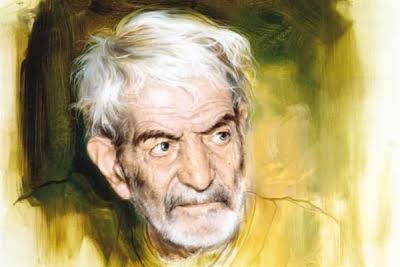
Shahriar the Sovereign of the Realm of Words
By Owrang Editorial
بیست و هفتم شهریور سالروز درگذشت سید محمدحسین بهجت تبریزی است که همهٔ فارسیزبانان او را با نام شهریار میشناسند. او در ۲۷ شهریور ۱۳۶۷ برابر با ۱۸ سپتامبر ۱۹۸۸ در تهران چشم از جهان بست و به خواست خودش در مقبرةالشعرای تبریز آرام گرفت. تقویم ایران این روز را روز ملی شعر و ادب فارسی نامیده است.
شهریار در سال ۱۲۸۵ در تبریز به دنیا آمد و بخشی از کودکی را در روستاهای دامنهٔ حیدربابا گذراند، همان کوهی که سالها بعد به زبان مادری به آن سلام داد. در سال ۱۳۰۰ به تهران آمد، در دارالفنون درس خواند، به مدرسهٔ طب رفت و در واپسین گامهای این راه شعر را بر پزشکی برگزید. زندگی و شعر در او یکی بود. عشق، فراق، غم و شادی در جانش مینشست و به شعر بدل میشد، چنان که گاه نمیشد دانست او شعر را میسراید یا شعر، او را. در تهران با نیما یوشیج پدر شعر نو فارسی دوست شد و منظومهٔ «دو مرغ بهشتی» یادگار دیدار آن دو است. هوشنگ ابتهاج، سایه، که خود استاد غزل بود از شیفتگان شعر او به شمار میرفت. شهریار پس از سالها کارمندی دولت در سال ۱۳۳۲ به تبریز بازگشت و بعدها در دانشکدهٔ ادبیات همان شهر به تدریس پرداخت.
منوچهر مرتضوی در مقدمهٔ دیوان شهریار مینویسد نام شهریار سالهاست از مرزهای ایران گذشته است، از لاهور و کشمیر و پیشاور و کراچی تا مدرسهٔ زبانهای شرقی پاریس و دانشگاههای لندن و فرانکفورت و توبینگن. او را در ردیف قطران و شمس و همام و صائب مایهٔ سربلندی آذربایجان در تاریخ ادب ایران میشمارد. یادآوری میکند که ملکالشعرای بهار در آغاز راه شاعر جوان او را «نه تنها افتخار ایران بلکه افتخار عالم شرق» خواند و سید محمدعلی جمالزاده در سالهای پایانی عمر او را مایهٔ افتخار زبان فارسی دانست. یدالله مفتون امینی نیز در شعری او را آخرین سلطان ملک میفروشان نامید.
«ای میان بزم دلها شمع سوزان شهریار
آخرین سلطان ملک میفروشان شهریار
غمگسار مردم حسرتکش دوران ما
«ترجمان روح گنگ دردمندان شهریار
مرتضوی شهریار را شاعر زمانهٔ خویش میداند که مرز میان شعر نو و شعر کهن را از میان برداشته، زبانش جامهٔ سعدی را بر تن دارد و خیالش باریکبینی نظامی را، ولی فکر و احساس از آن خود اوست. نوآوری او از راه بازگشت به کوچه و پسکوچههای زبان و تعبیرهای مردم پدید آمده و وزن و آهنگ کلام سر جای خود مانده است.
او سپس چهار هنر بزرگ شهریار را برمیشمارد. نخست غزلهای سادهای که از دل برآمدهاند. دوم تابلوهای رنگین و توصیفهای دقیق شاعرانه مانند «تخت جمشید» و «افسانهٔ شب» و «هذیان دل». سوم به کار گرفتن استادانهٔ زبان مردم کوچه و بازار که «حیدربابایه سلام» بهترین گواه آن است. به گفتهٔ مرتضوی آن کوه دورافتاده نامآوری خود را از شاعرش دارد. چهارم آفرینش شعرهای عاطفی ژرف که «ای وای مادرم» در صدر آنها مینشیند.
شهریار مُلک سخن
نوشتهٔ Owrang Editorial
September 18 is the day in 1988 when Seyyed Mohammad Hossein Behjat Tabrizi, known to every Persian reader as Shahriar, died in Tehran. At his own wish he was carried home to Tabriz and laid to rest in Maqbarat al-Shoara, the Tomb of the Poets. Iran's calendar keeps that date as the National Day of Persian Poetry and Literature.
Shahriar was born in Tabriz in 1906 and spent part of his childhood in the villages at the foot of Heydar Baba, the mountain he would one day greet in his mother tongue. He came to Tehran in 1921, studied at Dar ol-Fonun, entered medical school, and in the final stretch of his training chose poetry over medicine. Life and poem were one in him. Love, separation, grief and joy settled in his soul and came out as verse, until it was hard to tell whether he was writing the poem or the poem was writing him. In Tehran he found the friendship of Nima Yushij, the father of modern Persian poetry, and his poem Do Morgh-e Beheshti keeps the memory of their meeting. Hushang Ebtehaj, the poet Sayeh, himself a master of the ghazal, was among his devoted admirers. After years as a civil servant Shahriar returned to Tabriz in 1953 and later taught at the university's Faculty of Letters.
In his introduction to the collected poems, the scholar Manouchehr Mortazavi writes that the name of Shahriar had long crossed the borders of Iran, from Lahore, Kashmir, Peshawar and Karachi to the school of Oriental languages in Paris and the universities of London, Frankfurt and Tübingen. He sets him beside Qatran, Shams, Homam and Saeb as a pride of Azerbaijan in the history of Iranian letters. He recalls that Malek al-Shoara Bahar, at the very start of the young man's career, called him "the pride not only of Iran but of the whole East," and that Mohammad Ali Jamalzadeh, late in life, saluted him as a glory of the Persian language. The poet Yadollah Maftun Amini greeted him in verse as the last sultan of the realm of the wine sellers
"O Shahriar, candle burning at the feast of hearts
Shahriar, last sultan of the realm of the wine sellers
Comforter of the longing people of our age
Shahriar, voice of the mute soul of those in pain"
Mortazavi sees Shahriar as a poet of his own time, one who lifted the border between the new poetry and the old. His language has the dress of Saadi and the descriptive imagination of Nezami, yet the thought and the feeling are his own. His renewal came through a return to the streets and back alleys of the language, to the expressions of ordinary people, while meter and music stayed in place.
He then names four great gifts. First come the simple ghazals that rise straight from the heart. Second come the painted scenes, long descriptive poems such as Takht-e Jamshid, Afsaneh-ye Shab and Hazyan-e Del. Third is the masterly use of everyday speech, with Heydar Babaya Salam as its best witness, a poem through which, in Mortazavi's words, a forgotten mountain came to owe its fame to its poet. Fourth are the poems of deep feeling, above all Ey Vay Madaram, his elegy for his mother.