
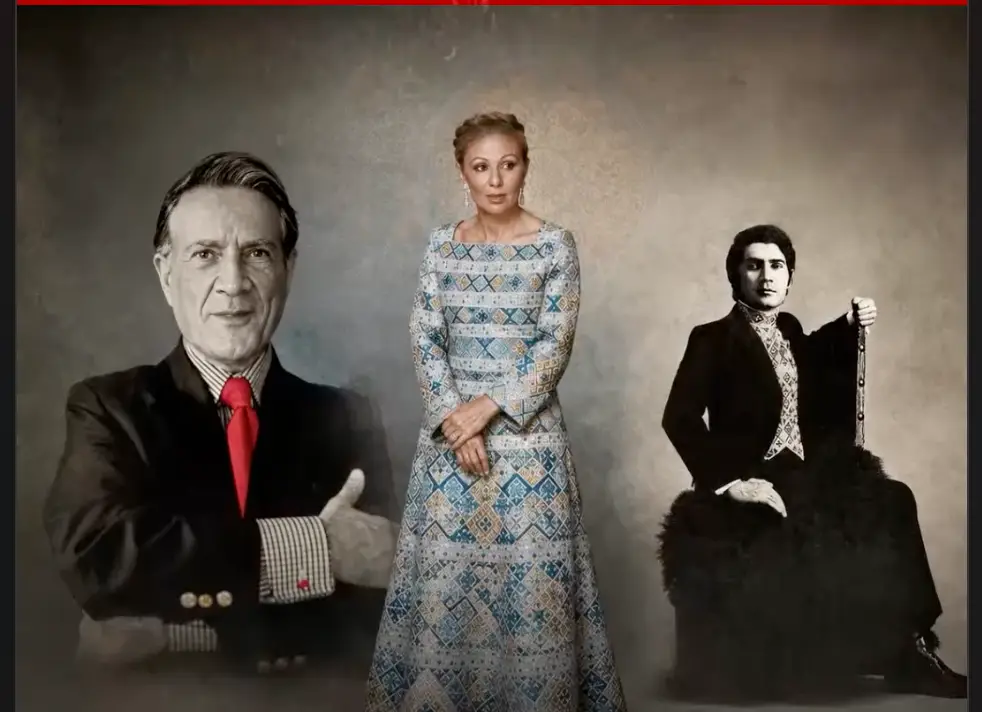
Keyvan Khosrovani; Baluch Needlework, Iranian Identity Worn by a Queen
By Owrang Editorial
In official photographs from the 1970s, Farah Pahlavi appears again and again in gowns that may at first seem purely ceremonial. Look more closely, however, and they carry something of a map of Iran: Baluch needlework, gold-woven brocades, Isfahan block prints, and embroidery that traveled from small and sometimes remote workshops to the royal court.
Behind many of these choices was Keyvan Khosrovani, an architect and designer who saw Iranian art and craft not as relics of the past, but as living material for contemporary life.
Khosrovani died in Paris on September 3 at the age of 88. His career moved between architecture, fashion, traditional crafts, restoration and urban preservation, yet one idea connected these seemingly different fields: a search for Iranian identity in what people had made, worn and passed from one generation to another.
Born in Tehran in 1938, Khosrovani studied architecture at the University of Tehran and graduated in 1962 with the highest marks of his class. A French government scholarship then took him to the École des Beaux-Arts in Paris. He also spent time in Rome studying the restoration of historic buildings. He returned to Iran in 1966, and a year later designed the lighting of Persepolis and the tomb of Hafez for the first Shiraz Festival of Arts.
For many, however, his name remains most closely associated with the wardrobe of Farah Pahlavi.
For nearly thirteen years, Khosrovani was involved in designing the Queen of Iran's official gowns. The significance of that collaboration lay less in the luxury of the clothes than in the choices behind them. He turned to crafts still being made by hand across Iran, many of them already in danger of disappearing.
Baluch needlework was among the most important.
An art practiced for generations by Baluch women appeared on some of the country's most visible formal occasions. During those years Farah Pahlavi wore gowns incorporating Baluch embroidery, while the gold-brocade dress associated with the 1971 Persepolis celebrations is now held in Paris. Crafts once tied to particular regions were brought before cameras whose images circulated throughout Iran and around the world.
For Khosrovani, such choices carried a clear meaning. The Queen's wardrobe could easily have become a showcase for imported fashion. Instead, he made it a place where elements of Iran's own visual culture could be seen.
In his designs, Baluch embroidery appeared alongside the kalaghei textiles of Osku, Isfahan ghalamkar block printing and cheshmeh-douzi embroidery, and traditional gold-woven fabrics. These arts came from different regions and traditions, but shared one thing: the knowledge and skill of the Iranian hand.
Today, four dresses from collections Khosrovani designed for Farah Pahlavi are preserved at the Palais Galliera, the fashion museum of the City of Paris.
The same way of seeing can be found in his architecture.
The Nain guesthouse, designed in 1967 on the road between Isfahan and Yazd, is among his best-known works. Its forms and spaces grew out of desert architecture and the knowledge of local master builders, yet the building was conceived for contemporary life. Khosrovani was not interested in reproducing the past. He wanted to discover what from that past could still be used.
In Tehran, he designed a library for the Institute for the Intellectual Development of Children and Young Adults in one of the city's poorer neighborhoods and accepted no fee for the work. He also opened boutiques where Iranian fabrics and patterns found their way into the everyday clothing of a younger generation.
In the autumn of 1977, the same idea took another form.
The municipality planned to demolish parts of Oudlajan, one of Tehran's oldest neighborhoods. Instead of displaying his architectural drawings in a gallery, Khosrovani hung them on the walls of the alleys themselves. Residents stopped to look and saw their own houses and streets on paper. Architecture had left the office and the university and was speaking directly to the people whose homes were at risk. The demolition plan was halted.
After the 1979 Revolution, Khosrovani remained in Paris, but his engagement with Iranian culture and architecture continued. Among his later projects was a proposal for a Persian prayer hall at the Grand Mosque of Paris.
If there is one idea that connects the Queen's gowns, the Nain guesthouse, the children's library and the walls of Oudlajan, it may be the question that returned throughout Khosrovani's career: what should we do with the heritage already in our hands?
His answer was not to leave it behind glass.
Needlework was meant to be worn. Vernacular architecture was meant to find a new life. Iranian textiles were meant to return to the street. And if a neighborhood was worth preserving, the people who lived there first had to be able to see its value.
Keyvan Khosrovani's legacy may therefore lie less in any single dress or building than in this way of seeing: an attention to what already exists within the everyday culture of Iran and is sometimes so close to us that we cease to notice it.
He placed Baluch needlework on the Queen of Iran, but what he brought into view was more than a dress. It was a conscious choice to make Iranian identity visible.
کیوان خسروانی؛ سوزندوزی بلوچ، هویت ایرانی بر تن ملکه
نوشتهٔ Owrang Editorial
در عکسهای رسمی دههٔ پنجاه، فرح پهلوی بارها با لباسهایی دیده میشود که در نگاه نخست شاید جامههایی تشریفاتی به نظر برسند، اما در جزئیاتشان نقشهای از ایران حضور دارد؛ سوزندوزی بلوچ، پارچههای زربفت، قلمکار اصفهان و دوختهایی که از کارگاههای کوچک و گاه دورافتاده به دربار رسیدهاند.
پشت بخشی از این انتخابها کیوان خسروانی بود؛ معمار و طراحی که هنر ایرانی را نه یادگاری از گذشته، که مادهای زنده برای زندگی امروز میدید.
خسروانی سوم سپتامبر، در ۸۸ سالگی در پاریس درگذشت. کارنامهٔ او میان معماری، طراحی لباس، صنایع دستی، مرمت و شهر حرکت میکند، اما رشتهای مشترک این فعالیتهای ظاهراً متفاوت را به هم پیوند میدهد: جستوجوی هویت ایرانی در آنچه مردم ساختهاند، پوشیدهاند و نسل به نسل منتقل کردهاند.
او سال ۱۳۱۷ در تهران به دنیا آمد و معماری را در دانشگاه تهران خواند. سال ۱۳۴۱ با بالاترین نمرهٔ دوره فارغالتحصیل شد و با بورس دولت فرانسه به مدرسهٔ بوزار پاریس رفت. مدتی نیز در رم به مطالعهٔ مرمت بناهای تاریخی پرداخت. سال ۱۳۴۵ به ایران بازگشت و یک سال بعد، برای نخستین جشن هنر شیراز، نورپردازی تخت جمشید و حافظیه را طراحی کرد.
اما نام او برای بسیاری بیش از هر چیز با لباسهای فرح پهلوی پیوند خورده است.
خسروانی نزدیک به سیزده سال در طراحی جامههای رسمی ملکهٔ ایران نقش داشت. اهمیت این همکاری در تجمل لباسها نبود، در انتخابی بود که پشت آنها قرار داشت. او به سراغ هنرهایی رفت که در نقاط مختلف ایران هنوز با دست ساخته میشدند و بسیاری از آنها آرامآرام در معرض فراموشی بودند.
سوزندوزی بلوچستان یکی از مهمترین این انتخابها بود.
هنری که زنان بلوچ نسلها بر پارچه دوخته بودند، در یکی از رسمیترین صحنههای کشور دیده شد. در سالهای همان دهه فرح پهلوی جامههایی با سوزندوزی بلوچ بر تن داشت، و پیراهن زربفت جشنهای ۱۳۵۰ در تخت جمشید امروز در موزهٔ مد پاریس است. هنر یک منطقه از محدودهٔ جغرافیایی خود بیرون آمد و در برابر دوربینهایی قرار گرفت که تصاویرشان در ایران و جهان منتشر میشد.
برای خسروانی این انتخاب معنایی روشن داشت. لباس ملکه میتوانست ویترینی برای نمایش مد وارداتی باشد، اما او بخشی از هویت بصری ایران را بر همان لباس نشاند.
در طراحیهای او سوزندوزی بلوچ در کنار کلاقهای اسکو، قلمکار و چشمهدوزی اصفهان و پارچههای زربفت قرار گرفت. هنرهایی با خاستگاهها و زبانهای متفاوت که در یک نقطه به هم میرسیدند: مهارت دست ایرانی.
امروز چهار لباس از مجموعههایی که خسروانی برای فرح پهلوی طراحی کرده بود در مجموعهٔ Palais Galliera، موزهٔ مد شهر پاریس، نگهداری میشود.
همین نگاه را میتوان در معماری او نیز دید.
مهمانسرای نائین که سال ۱۳۴۶ در مسیر اصفهان به یزد طراحی شد، از شناختهشدهترین آثار اوست. فرم و فضای ساختمان از معماری کویر و تجربهٔ استادکاران محلی میآمد، اما بنا برای زندگی معاصر ساخته شده بود. خسروانی قرار نبود گذشته را بازسازی کند. میخواست بداند از آن گذشته چه چیزی هنوز قابل استفاده است.
در تهران نیز برای کانون پرورش فکری کودکان و نوجوانان، در یکی از محلههای محروم شهر، کتابخانهای طراحی کرد و برای آن دستمزدی نگرفت. بوتیکهایی راه انداخت که در آنها پارچهها و نقشهای ایرانی وارد لباس روز جوانان میشدند.
پاییز ۱۳۵۶ همین اندیشه شکل دیگری پیدا کرد.
شهرداری قصد تخریب بخشهایی از عودلاجان، یکی از کهنترین محلههای تهران، را داشت. خسروانی نقشهها و طرحهای معماری را به جای سالن نمایشگاه بر دیوار کوچهها نصب کرد. مردم محله ایستادند و خانهها و کوچههای خود را روی کاغذ دیدند. معماری از دفتر و دانشگاه بیرون آمده بود و مستقیماً با کسانی حرف میزد که قرار بود خانههایشان از میان برود. طرح تخریب متوقف شد.
پس از انقلاب ۱۳۵۷ خسروانی در پاریس ماند، اما کار و اندیشهاش دربارهٔ فرهنگ و معماری ایران ادامه پیدا کرد. از طرحهای سالهای پایانی او پیشنهادی برای ایجاد شبستانی ایرانی در مسجد بزرگ پاریس بود.
اگر بخواهیم میان لباس ملکه، مهمانسرای نائین، کتابخانهٔ کودکان و دیوارهای عودلاجان نقطهای مشترک پیدا کنیم، شاید همان پرسشی باشد که سالها در کار خسروانی تکرار شد: با میراثی که در اختیار داریم چه باید کرد؟
پاسخ او نگهداری آن در ویترین نبود.
سوزندوزی باید پوشیده میشد. معماری بومی باید امکان زندگی تازه پیدا میکرد. پارچهٔ ایرانی باید دوباره وارد خیابان میشد. و اگر محلهای ارزش حفظ شدن داشت، مردم آن محله باید نخست ارزشش را میدیدند.
میراث کیوان خسروانی نیز شاید بیش از آنکه در یک لباس یا یک ساختمان خلاصه شود، در همین شیوهٔ نگاه باقی مانده باشد؛ نگاه به آنچه در فرهنگ روزمرهٔ ایران وجود دارد و گاهی آنقدر به ما نزدیک است که دیگر نمیبینیمش.
او سوزندوزی بلوچ را بر تن ملکه نشاند، اما آنچه به نمایش گذاشت فراتر از یک لباس بود: انتخابی آگاهانه از هویت ایرانی.