
Venice 2026: A Bit of Light and an Orizzonti Prize for Iran
Laleh Marzban Wins the Orizzonti Best Actress Award at the Venice Film Festival on Iran’s National Cinema Day
By Owrang Editorial
The 83rd Venice Film Festival, held from September 2 to 12, closed with Iranian cinema represented in two of its major sections. Ali Asgari's A Bit of Light (Kami Nour) competed in the main competition, while Mohsen Gharaei's Falling House (Moragheb) screened in Orizzonti. Alongside them, Afghan filmmaker Shahrbanoo Sadat served on the seven-member main competition jury chaired by Maggie Gyllenhaal, extending the presence of Persian-speaking filmmakers at this year's festival from the screen to the jury table. The Golden Lion ultimately went to Woman Unknown by May el-Toukhy.
For Asgari, A Bit of Light marked a new stage in his long relationship with Venice. After two feature films in Orizzonti, he entered the main competition for the first time. His 87-minute film, starring Misagh Zareh, Sadaf Asgari, Forouzan Jamshidnejad, Ramtin Daghigh and Mina Rahimzadeh, follows a Tehran doctor who, after his arrest and the closure of his practice, decides to end his life and spends what he intends to be his final day visiting members of his family. Zareh, whom international audiences may remember as the father in Mohammad Rasoulof's The Seed of the Sacred Fig, is the center of gravity of the story. Asgari wrote the screenplay with Shadmehr Rastin, who also collaborated on Jafar Panahi's It Was Just an Accident.
The film drew a range of responses from the international press. Screen Daily singled out Zareh's performance and the film's gradual movement from despair toward the possibility of continuing to live. IndieWire went so far as to describe it as an Iranian answer to It's a Wonderful Life, emphasizing its hopeful side. Variety described a narrative that reaches an affirmation of life from within a dark situation, while The Hollywood Reporter focused on its mournful yet quietly comic tone. Cineuropa took a more critical view, arguing that the inevitable comparison with Abbas Kiarostami's Taste of Cherry worked against Asgari's film, while still praising Zareh's performance. Taken together, the reactions suggested that the debate centered less on the film's subject than on the way it transforms social despair into a personal and human drama. A Bit of Light left the festival without a prize from the main competition.
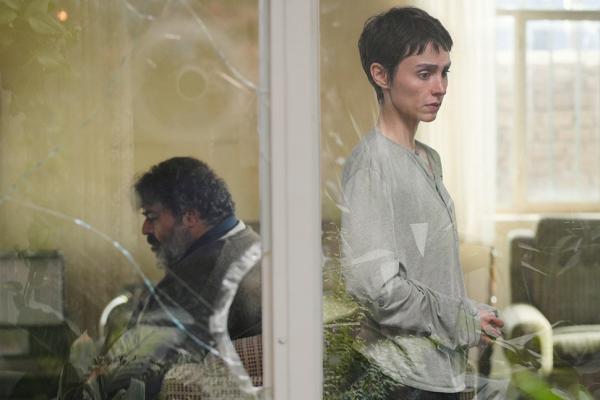
A few days before A Bit of Light screened, Gharaei's Falling House had its world premiere in Orizzonti on September 3. The Iran, United States and Germany co-production runs 130 minutes according to the festival's official listing and stars Laleh Marzban, Farhad Aslani, Rima Raminfar and Elena Khakbazan, with a score by Max Richter. The story follows Rashid, a prison guard suspended from his job who, as the family home faces demolition, discovers that his elder daughter intends to leave Iran to pursue a career as a model. His efforts to stop her turn the house into a battleground between conflicting ideas of freedom, family and the future. The screenplay was written before the events of this year, but its Venice premiere inevitably placed the film within the context of a rapidly changing Iran.
Reviews of Falling House were also divided. RogerEbert.com placed the film within the tradition of Iranian social realism and saw the house as a space where care and control gradually become indistinguishable from imprisonment. Screen Daily described it as an enraging portrait of the collision between a patriarchal structure and a younger generation of women, while arguing that some of its symbolism was too explicit. Cineuropa recognized the force of the collapsing-house metaphor but found the film uneven in the way it resolved its conflicts.
The festival's final verdict, however, gave Falling House one of the most visible Iranian moments of the closing ceremony. Laleh Marzban won the Orizzonti Award for Best Actress for her performance and, speaking in Persian, dedicated the prize to the women of Iran.
Shahrbanoo Sadat's presence on the main competition jury added another dimension to this year's festival. The Afghan filmmaker joined Maggie Gyllenhaal, Kaouther Ben Hania, Daniel Blumberg, Francesco Casetti, Xavier Giannoli and Johnnie To in deciding the awards among the 21 films in competition. The presence of filmmakers from Iran and Afghanistan, as directors, performers and jurors, offered a picture that extended beyond the list of winners: a cinema continuing to shape its own narratives out of difficult social and personal experiences, and to take part in the global conversation of cinema through its own distinct voices and perspectives.
ونیز ۲۰۲۶؛ «کمی نور» و جایزهای برای ایران
دریافت جایزه بهترین بازیگر زن بخش افق های ویژه جشنواره ونیز در روز ملی سینما
نوشتهٔ Owrang Editorial
هشتادوسومین جشنوارهٔ فیلم ونیز، از ۲ تا ۱۲ سپتامبر، در حالی به پایان رسید که سینمای ایران در دو بخش اصلی آن حضوری قابل توجه داشت. «کمی نور» (A Bit of Light) ساختهٔ علی عسگری به مسابقهٔ اصلی راه یافت و «مراقب» (Falling House) ساختهٔ محسن قرایی در بخش افقها نمایش داده شد. در سوی دیگر، شهربانو سادات، فیلمساز افغان، یکی از هفت عضو هیئت داوران مسابقهٔ اصلی به ریاست مگی جیلنهال بود؛ حضوری که دامنهٔ حضور سینماگران فارسیزبان در ونیز امسال را از پردهٔ نمایش به جایگاه داوری نیز گسترش داد. شیر طلایی این دوره سرانجام به Woman Unknown ساختهٔ می التوخی رسید.
برای علی عسگری، «کمی نور» مرحلهای تازه در رابطهٔ چندسالهاش با ونیز بود. او پس از دو حضور با فیلم بلند در بخش افقها، این بار برای نخستین بار وارد مسابقهٔ اصلی شد. فیلم ۸۷ دقیقهای او با بازی میثاق زارع، صدف عسگری، فروزان جمشیدنژاد، رامتین دقیق و مینا رحیمزاده، داستان پزشکی در تهران را دنبال میکند که پس از بازداشت و بسته شدن مطبش، تصمیم گرفته به زندگی خود پایان دهد و روز آخر را به دیدار اعضای خانوادهاش اختصاص میدهد. میثاق زارع، که تماشاگران بینالمللی او را با نقش پدر در «دانهٔ انجیر معابد» محمد رسولاف به یاد دارند، مرکز ثقل این روایت است. فیلمنامه را عسگری همراه با شادمهر راستین نوشته است؛ فیلمنامهنویسی که در نگارش «یک تصادف ساده» جعفر پناهی نیز همکاری داشت.
«کمی نور» در رسانههای بینالمللی واکنشهای متفاوتی برانگیخت. Screen Daily بازی زارع و حرکت تدریجی فیلم از نومیدی به سوی امکان ادامهٔ زندگی را از نقاط قوت آن دانست. IndieWire حتی فیلم را پاسخی ایرانی به It's a Wonderful Life خواند و بر وجه امیدبخش آن تأکید کرد. Variety نیز از روایتی سخن گفت که از دل وضعیت تیره به تأیید زندگی میرسد و The Hollywood Reporter بر فضای سوگوارانه اما طنز آرام فیلم تمرکز کرد. در مقابل، Cineuropa نگاه سختگیرانهتری داشت و مقایسهٔ ناگزیر فیلم با «طعم گیلاس» عباس کیارستمی را به زیان اثر تازهٔ عسگری دانست، هرچند بازی میثاق زارع را ستود. مجموعهٔ این واکنشها نشان میداد که فیلم بیش از آنکه بر سر موضوعش محل اختلاف باشد، دربارهٔ شیوهٔ تبدیل نومیدی اجتماعی به درامی انسانی و شخصی بحث برانگیخته است. فیلم در پایان جشنواره جایزهای از مسابقهٔ اصلی دریافت نکرد.
چند روز پیش از نمایش «کمی نور»، «مراقب» محسن قرایی در ۳ سپتامبر نخستین نمایش جهانی خود را در بخش افقها تجربه کرده بود. این محصول مشترک ایران، آمریکا و آلمان، طبق اطلاعات رسمی جشنواره ۱۳۰ دقیقه است و لاله مرزبان، فرهاد اصلانی، ریما رامینفر و النا خاکبازان در آن بازی میکنند. موسیقی فیلم از مکس ریشتر است. داستان دربارهٔ رشید، زندانبانی است که از کار معلق شده و همزمان با بحران تخریب خانهٔ خانوادگی، درمییابد دختر بزرگش قصد دارد ایران را ترک کند و مدل شود. تلاش او برای جلوگیری از رفتن دختر، خانه را به میدان برخورد دو نگاه دربارهٔ اختیار، خانواده و آینده تبدیل میکند. فیلمنامه پیش از تحولات امسال نوشته شده بود، اما نمایش آن در ونیز ناخواسته آن را در متن شرایط تازهٔ ایران قرار داد.
نقدها دربارهٔ «مراقب» نیز یکدست نبودند. RogerEbert.com فیلم را در سنت رئالیسم اجتماعی سینمای ایران قرار داد و خانه را فضایی دید که در آن رابطهٔ حمایت و کنترل به تدریج به زندان بدل میشود. Screen Daily فیلم را اثری خشمبرانگیز دربارهٔ برخورد ساختار پدرسالارانه با نسل جوان زنان دانست، هرچند نمادپردازی آن را بیش از اندازه آشکار خواند. Cineuropa نیز قدرت استعارهٔ «خانهٔ در حال فروریختن» را پذیرفت اما در حل نهایی کشمکشها، فیلم را نامتوازن ارزیابی کرد.
نتیجهٔ نهایی جشنواره اما برای «مراقب» لحظهای مهم به همراه داشت. لاله مرزبان جایزهٔ بهترین بازیگر زن بخش افقها را برای بازی در این فیلم به دست آورد و در مراسم پایانی، به فارسی، جایزهاش را به زنان ایران تقدیم کرد.
در کنار این دو فیلم، حضور شهربانو سادات در هیئت داوران مسابقهٔ اصلی معنای دیگری داشت. کارگردان افغان در کنار مگی جیلنهال، کوثر بن هنیه، دنیل بلومبرگ، فرانچسکو کازتی، خاویر جیانولی و جانی تو، دربارهٔ سرنوشت ۲۱ فیلم بخش مسابقه تصمیم گرفت. حضور سینماگران ایران و افغانستان، چه در مقام فیلمساز و بازیگر و چه در جایگاه داوری، تصویری فراتر از فهرست برندگان به دست میدهد؛ تصویری از سینمایی که همچنان از دل تجربههای دشوار اجتماعی و شخصی، روایتهای خود را میسازد و با زبان و نگاه مستقل خود در گفتوگوی جهانی سینما حضور دارد.