
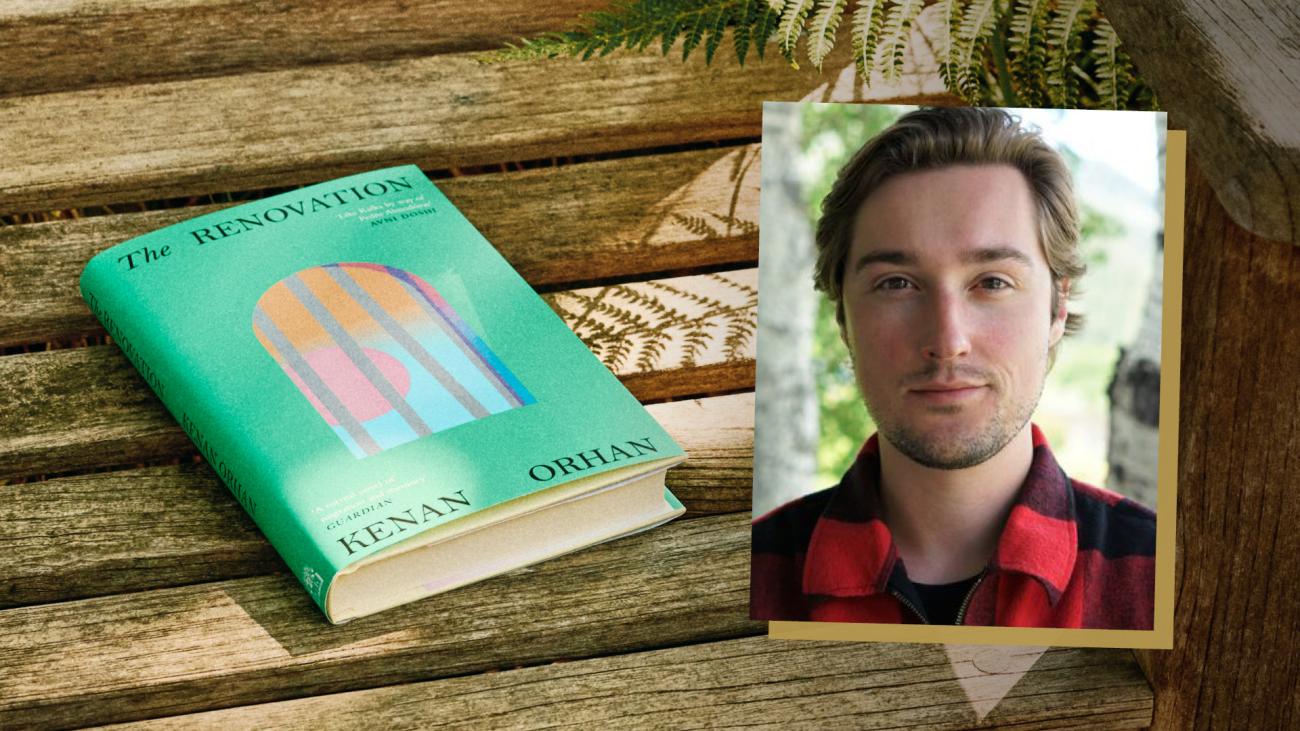
The Renovation; by Kenan Orhan
A door to Istanbul in a house in Italy
By Owrang Editorial
A door to Istanbul in a house in Italy
Dilara ordered a bathroom. She lives in Baronissi, a small town in the hills above Salerno, and her father is moving in with her. In Istanbul he was a professor, a novelist and an outspoken public voice. Now Alzheimer's takes a little more of him each day, and the new bathroom is meant to make his days easier. When the builders leave, she opens the door and finds a cell. It has bars, a guard pacing outside, and women on the other side of the wall speaking Turkish. The cell is part of Silivri Prison in Istanbul, and it is also part of her apartment.
The contractor is unmoved. He sends her scans of her own signature approving every material and fixture, and hangs up.
The family left Turkey about ten years ago, after the Gezi Park protests of 2013 and the pressure that followed on her father. Dilara had been a school psychologist. In Italy she found no work in her field, drifted away from her mother tongue, and became a housewife. Her husband, who is never named, reads the cell as a sign that the Turkish authorities have found them, and he leaves. Dilara stays, with her father and the cell.
And she keeps going back. In the cell she smells fresh simit, hears the call to prayer and her mother's voice, and feels the salt of the Marmara settle on her skin. Memories arrive while she sits there and drain away when she steps out. In the next room her father loses his words one by one, and at last her name. The father is losing a past he wants to keep. The daughter is handed back a past she had put away.
Orhan tells all of this with a straight face. Nobody explains the cell, the guards refuse to believe Dilara's story, and daily life goes on with the same bills and the same fatigue. That is where the comedy comes from. The Booker Prize judges wrote that the book had some of them laughing out loud, and added that the laughter has an unsettling side. The novel is dedicated to caregivers, and that may be its truest key. Before the cell stands for exile, it stands for the life of anyone whose days and nights belong to the care of someone they love.
Kenan Orhan is a Turkish American writer based in Kansas City. He holds an MFA from Emerson College and has received an O. Henry Prize. His story collection I Am My Country, published in 2023, was a finalist for the PEN/Robert W. Bingham Prize. The Renovation is his first novel, and it grew out of one of his own short stories. Farrar, Straus and Giroux published it in the United States on February 10, 2026, at 256 pages, and Hamish Hamilton followed in the United Kingdom on March 26. It is longlisted for the 2026 Booker Prize and, as of last week, for the 2026 National Book Award for Fiction.
A reader who has carried a city across a border will know the rooms of this book.
Three reviews
Kirkus Reviews
The reviewer calls the novel a claustrophobic and captivating allegory about family, country and the failure of memory. Apart from its single impossibility, Orhan plays everything straight, and the premise is soon overtaken by the real thread of the story, which is how little of what is lost can be recovered. The verdict is an odd, elegant book whose sincerity is disarming.
https://www.kirkusreviews.com/book-reviews/kenan-orhan/the-renovation/
Harvard Review, Victoria Zhuang
Zhuang hears in the opening an echo of Gregor Samsa waking in Kafka's The Metamorphosis. For her the cell comes to hold every other confinement in Dilara's life, the roles she plays for others, age, caregiving and exile itself. She gives the highest praise to the prose, and notes that a Turkish writer choosing English and an Italian setting adds one more layer of distance from home.
https://www.harvardreview.org/book-review/the-renovation/
The Indiependent
This review finds the label of magical realism too small for the book. With its tension and unease it reads closer to a political thriller, and the pace is relentless even while the subjects are grief, duty and family. The reviewer calls it an exceptional debut.
https://www.indiependent.co.uk/book-review-the-renovation-kenan-orhan/
بازسازی؛ نوشتهٔ کنان اورهان
دری به استانبول در خانهای در ایتالیا
نوشتهٔ Owrang Editorial
دری به استانبول در خانهای در ایتالیا
دیلارا یک حمام سفارش داده بود. او در بارونیسی زندگی میکند، شهری کوچک در تپههای بالای سالرنو در ایتالیا، و قرار است پدرش به خانهٔ او بیاید. پدر در استانبول استاد دانشگاه، رماننویس و صدایی صریح در عرصهٔ عمومی بود. حالا آلزایمر هر روز تکهای از او را میبرد و حمام تازه قرار است روزهایش را آسانتر کند. کارگرها که میروند، دیلارا در را باز میکند و یک سلول میبیند. میله دارد، نگهبانی پشت در قدم میزند و از آن سوی دیوار صدای زنانی میآید که ترکی حرف میزنند. سلول بخشی از زندان سیلیوری استانبول است و همزمان بخشی از آپارتمان او.
پیمانکار اعتنایی نمیکند. اسکن امضای خود دیلارا را پای تأیید تکتک مصالح و تجهیزات برایش میفرستد و تلفن را قطع میکند.
خانواده حدود ده سال پیش ترکیه را ترک کرده است، پس از اعتراضهای پارک گزی در سال ۲۰۱۳ و فشاری که بعد از آن بر پدر آمد. دیلارا در ترکیه روانشناس مدرسه بود. در ایتالیا کاری در رشتهٔ خودش پیدا نکرد، کمکم از زبان مادری فاصله گرفت و خانهدار شد. شوهرش، که در سراسر رمان نامی ندارد، سلول را نشانهٔ آن میداند که مقامات ترکیه ردشان را پیدا کردهاند و خانه را ترک میکند. دیلارا میماند و پدر و سلول.
و دیلارا باز به سلول برمیگردد. آنجا بوی سیمیت تازه میآید، صدای اذان و صدای مادرش را میشنود و نم شور دریای مرمره روی پوستش مینشیند. خاطرهها در سلول سر میرسند و با بیرون آمدن از آن دوباره دور میشوند. در اتاق کناری، پدر واژهها را یکییکی از دست میدهد و سرانجام نام دخترش را. پدر گذشتهای را از دست میدهد که میخواهد نگه دارد. دختر گذشتهای را پس میگیرد که کنار گذاشته بود.
اورهان همهٔ اینها را با لحنی کاملاً جدی روایت میکند. هیچکس سلول را توضیح نمیدهد، نگهبانها حرف دیلارا را باور ندارند و زندگی روزمره با همان قبضها و همان خستگی ادامه دارد. طنز کتاب از همینجا میآید. داوران جایزهٔ بوکر نوشتهاند که کتاب برخی از آنها را با صدای بلند خندانده است و افزودهاند که این خنده روی دیگری هم دارد. رمان به مراقبان تقدیم شده است و شاید کلید اصلی آن همین باشد. سلول پیش از آنکه نمادی از تبعید باشد، تصویر زندگی کسی است که شب و روزش در مراقبت از عزیزی میگذرد.
کنان اورهان نویسندهٔ ترکآمریکایی ساکن کانزاسسیتی است. کارشناسی ارشد نویسندگی را در Emerson College گرفته و برندهٔ جایزهٔ اُ. هنری است. مجموعهداستان او با نام I Am My Country در سال ۲۰۲۳ منتشر شد و به مرحلهٔ نهایی جایزهٔ PEN/Robert W. Bingham رسید. «بازسازی» نخستین رمان اوست و از دل یکی از داستانهای کوتاه خودش بیرون آمده است. نشر Farrar, Straus and Giroux آن را در ۱۰ فبروری ۲۰۲۶ در ۲۵۶ صفحه در آمریکا منتشر کرد و Hamish Hamilton در ۲۶ مارچ در بریتانیا. کتاب در فهرست بلند جایزهٔ بوکر ۲۰۲۶ است و از هفتهٔ گذشته در فهرست بلند جایزهٔ ملی کتاب آمریکا در بخش داستان.
خوانندهای که شهری را با خود از مرزی گذرانده باشد، اتاقهای این کتاب را میشناسد.
سه نقد
Kirkus Reviews
منتقد رمان را تمثیلی خفقانآور و گیرا دربارهٔ خانواده، کشور و فروپاشی حافظه میداند. به نوشتهٔ او اورهان جز همان یک اتفاق ناممکن همهچیز را کاملاً واقعی روایت میکند و خیلی زود رشتهٔ اصلی داستان جای آن اتفاق را میگیرد، یعنی اینکه از آنچه رفته چه اندک میتوان پس گرفت. نتیجه کتابی است غریب و ظریف که صداقتش خواننده را خلع سلاح میکند.
https://www.kirkusreviews.com/book-reviews/kenan-orhan/the-renovation/
Harvard Review، ویکتوریا ژوانگ
ژوانگ در آغاز رمان پژواک بیدار شدن گرگور زامزا در «مسخ» کافکا را میشنود. به نظر او سلول کمکم همهٔ حصارهای دیگر زندگی دیلارا را در خود جا میدهد، نقشهایی که برای دیگران بازی کرده، پیری، مراقبت و خود تبعید. بیشترین ستایش او از نثر کتاب است و یادآوری میکند که نویسندهای ترک با انتخاب زبان انگلیسی و صحنهای ایتالیایی، یک لایهٔ دیگر بر فاصله از خانه افزوده است.
https://www.harvardreview.org/book-review/the-renovation/
The Indiependent
این نقد برچسب واقعگرایی جادویی را برای کتاب کوچک میداند. رمان با تنش و دلهرهاش بیشتر حالوهوای یک داستان دلهرهآور سیاسی را دارد و با اینکه موضوعش سوگ، وظیفه و خانواده است، ضرباهنگی بیوقفه دارد. منتقد آن را نخستین رمانی استثنایی میخواند.
https://www.indiependent.co.uk/book-review-the-renovation-kenan-orhan/