
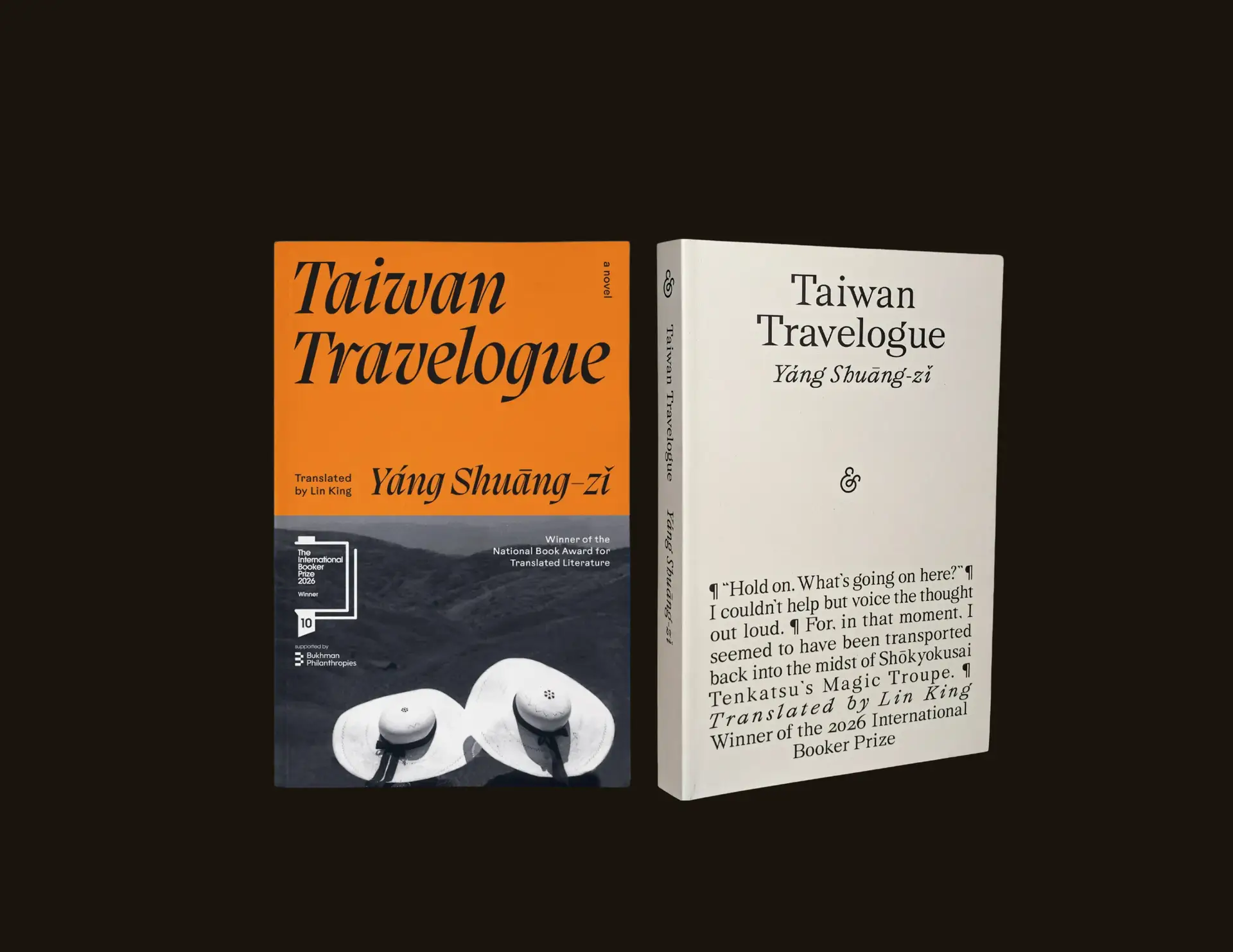
Taiwan Travelogue: When Travel, Love, and Empire Speak the Same Language
The novel by Yang Shuang-zi, translated by Lin King, winner of the International Booker Prize 2026
By Owrang Editorial
On the surface, Taiwan Travelogue is the story of a journey to know a land through its food, its scenery, and its people. But the further we go, the more the journey gives way to a harder question. Can one look at the people of a land from an unequal position and arrive at a true and fair understanding of them? That question sits at the heart of the novel that, in May 2026, won the International Booker Prize for its Taiwanese author, Yang Shuang-zi, and her translator, Lin King. It was the first work translated from Mandarin Chinese to receive the award.
The story takes place in 1938, when Taiwan is a colony of the Japanese empire. Aoyama Chizuko, a young novelist from Nagasaki, comes to Taiwan at the invitation of the colonial government for a series of lectures. The official program holds little interest for her. She wants to see the real Taiwan, and above all to taste it. A young Taiwanese woman named Chizuru is hired as her interpreter and guide, an educated, multilingual, careful woman who gradually becomes Chizuko's closest companion. Their train journeys, local dishes, long conversations, and an emotional pull run together, yet the harder Chizuko tries to draw closer to Chizuru, the more an invisible distance remains between them.
That distance is the real heart of the novel. Chizuko may think of herself as a free spirit who keeps her distance from official colonial politics, but she is still a citizen of the ruling power. Chizuru, however much a friend, interpreter, or beloved, stands on the other side of that relationship of power. So even the most private feelings of the two women are not immune from history and politics. The Booker judges named this very duality among the book's chief achievements: a novel that works as a love story while laying bare the workings of colonialism and inequality within that same tie of affection.
Food, in all this, is far more than the story's ornament. Pork over rice, winter melon tea, and a whole array of local flavors are Chizuko's way into Taiwan. She imagines that by eating she can come close to the truth of a culture. But Yang Shuang-zi slowly calls that confidence into question. To see, to taste, even to love does not necessarily mean to understand. One can be enchanted by a culture and still fail to see one's own privileged position before it. In that sense Chizuko's insatiable appetite is both charming and comic, and also a metaphor for the traveler's desire to possess an experience she believes she can make entirely her own. Critics have repeatedly noted the bond in the novel between food, identity, and the relations of empire.
But the real game of Taiwan Travelogue is not only in its story; it continues in the very form of the book. Yang Shuang-zi wrote the novel as if it were a Chinese translation of a forgotten Japanese travel memoir from the 1950s. The Japanese author of that "original book" does not exist. The prefaces, footnotes, translators' notes, and afterwords blur the line between document and invention so thoroughly that when the book first appeared in Taiwan in 2020, some readers truly believed they were holding a translation of a historical text. Lin King then translated this "fictional translation" from Mandarin into English, adding a fresh layer to the play of language and history. The result is a book in which translation is not merely a means of carrying a text across; it is one of the story's main subjects.
This point takes on a personal meaning in the author's name as well. "Yang Shuang-zi" is a literary name that originally belonged to Yang and her twin sister, Yang Jo-hui; Shuang-zi means "twins." Jo-hui, who did the historical research for their shared work, died of cancer in 2015 at the age of thirty. Her sister, Yang Jo-tzu, kept the name and went on writing under it, in the belief that the work of Yang Shuang-zi is still the joint labor of two sisters. Her novels tend to set the history of Taiwan, relationships between women, and the era of Japanese rule side by side.
Lin King's translation is also central to the book's global success. She faced not only several languages and registers but a text that deliberately pretended to have already been translated. King has said she and her editor chose a bold, maximal approach to the footnotes, languages, and layers of the text, even where it meant breaking some conventional rules of translation. Before the Booker, that same translation had already won the 2024 National Book Award for translated literature in the United States.
Taiwan Travelogue is a book about the past, but it does not stay locked in the past. It is about who gets to tell history, who translates another's language, and which voice is heard or erased in that act of carrying across. The love between two women, the train journeys, and Taiwan's colorful tables sit on the first level of the story, but beneath all of them runs the question of power.
Perhaps that is the novel's most important achievement. It looks for colonialism not only in armies, governments, and political borders, but in looking, speaking, translating, and even loving. And it reminds us that sometimes the distance between two people comes not from a lack of love, but from a history that began before the two ever met.
Reading guide and judges' view, The Booker Prizes ↗
An interview with the author and translator, The Booker Prizes ↗
Food is politics, and so is travel: a review on translation, Taiwan Insight ↗
Translation assisted by AI
«سفرنامهٔ تایوان»؛ وقتی سفر، عشق و استعمار به یک زبان سخن میگویند
رمان یانگ شوانگزی با ترجمهٔ لین کینگ، برندهٔ بوکر بینالمللی ۲۰۲۶
نوشتهٔ Owrang Editorial
«سفرنامهٔ تایوان» (Taiwan Travelogue) در ظاهر داستان سفری است برای شناخت یک سرزمین از راه غذا، مناظر و مردمش. اما هرچه پیش میرویم، سفر جای خود را به پرسشی دشوارتر میدهد: آیا میتوان از جایگاهی نابرابر به مردم سرزمینی نگاه کرد و به شناختی صحیح و منصفانه رسید؟ همین پرسش در مرکز رمانی قرار دارد که در مه ۲۰۲۶ جایزه بوکر بینالمللی را برای نویسنده تایوانی، یانگ شوانگزی، و مترجمش لین کینگ به ارمغان آورد. این نخستین بار بود که اثری ترجمهشده از ماندارین چینی این جایزه را دریافت میکرد.
داستان در سال ۱۹۳۸ میگذرد، زمانی که تایوان مستعمره امپراتوری ژاپن است. آئویاما چیزوکو، نویسندهای جوان از ناگازاکی، به دعوت دولت استعماری برای مجموعهای از سخنرانیها به تایوان میآید. اما برنامههای رسمی چندان برایش جذاب نیست. او میخواهد تایوان «واقعی» را ببیند و بشناسد. زنی جوان از اهالی تایوان به نام چیزورو بهعنوان مترجم و راهنمای او استخدام میشود؛ زنی تحصیلکرده، چندزبانه و محتاط که بهتدریج به نزدیکترین همراه چیزوکو بدل میشود. سفرهای آن دو با قطار، غذاهای محلی، گفتوگوهای طولانی و جاذبهای عاطفی درهم میآمیزد، اما هر اندازه چیزوکو میکوشد به چیزورو نزدیکتر شود، فاصلهای نامرئی میان آن دو باقی میماند.
همین فاصله، قلب واقعی رمان است. چیزوکو ممکن است خود را زنی آزاداندیش بداند و از سیاست رسمی استعمار فاصله بگیرد، اما همچنان شهروند قدرت حاکم است. چیزورو، هر اندازه دوست، مترجم یا معشوق باشد، در سوی دیگر این رابطه قدرت ایستاده است. بنابراین حتی خصوصیترین احساسات دو زن نیز از تاریخ و سیاست مصون نمیماند. هیئت داوران بوکر همین دوگانگی را از مهمترین دستاوردهای کتاب دانست: رمانی که هم بهعنوان داستانی عاشقانه عمل میکند و هم مناسبات استعمار و نابرابری را در همان رابطه عاطفی آشکار میسازد.
غذا در این میان چیزی بیش از زینت داستان است. برنج با گوشت خوک، دمنوش خربزه زمستانی و مجموعهای از طعمها و خوراکهای محلی، برای چیزوکو راه ورود به تایواناند. او گمان میکند با خوردن میتواند به حقیقت یک فرهنگ نزدیک شود. اما یانگ شوانگزی آرامآرام این اطمینان را زیر سؤال میبرد. دیدن، چشیدن و حتی دوست داشتن، الزاماً به معنای فهمیدن نیست. میتوان شیفته فرهنگی شد و همچنان جایگاه ممتاز خود در برابر آن را ندید. در این معنا، اشتهای سیریناپذیر چیزوکو هم جذاب و طنزآمیز است و هم استعارهای از میل مسافر برای تصاحب تجربهای که تصور میکند میتواند آن را کاملاً از آن خود کند. منتقدان نیز بارها به پیوند میان غذا، هویت و مناسبات استعماری در رمان توجه کردهاند.
اما بازی اصلی «سفرنامهٔ تایوان» تنها در داستان آن نیست؛ در خودِ شکل کتاب نیز ادامه دارد. یانگ شوانگزی رمان را چنان نوشته که گویی ترجمهای چینی از یک سفرنامه ژاپنی فراموششده متعلق به دهه ۱۹۵۰ است. نویسنده ژاپنی این «کتاب اصلی» وجود خارجی ندارد. مقدمهها، پانویسها، یادداشت مترجمان و پسگفتارها مرز میان سند و تخیل را چنان مخدوش میکنند که هنگام انتشار نخست کتاب در تایوان در سال ۲۰۲۰، برخی خوانندگان واقعاً تصور کردند با ترجمه یک متن تاریخی روبهرو هستند. سپس لین کینگ این «ترجمه خیالی» را از ماندارین به انگلیسی ترجمه کرده و لایه تازهای به بازی زبان و تاریخ افزوده است. حاصل، کتابی است که ترجمه در آن فقط وسیله انتقال متن نیست؛ خود یکی از موضوعات اصلی داستان است.
این نکته درباره نام نویسنده نیز معنایی شخصی پیدا میکند. «یانگ شوانگزی» نامی ادبی است که در اصل به یانگ و خواهر دوقلویش، یانگ جوهویی، تعلق داشت؛ «شوانگزی» به معنای دوقلوهاست. جوهویی که پژوهش تاریخی این کار مشترک را بر عهده داشت، در سال ۲۰۱۵ و در سی سالگی از سرطان درگذشت. خواهرش، یانگ جوتزو، این نام را نگه داشت و زیر آن به نوشتن ادامه داد، با این باور که کار یانگ شوانگزی هنوز کار مشترک دو خواهر است. آثار او اغلب تاریخ تایوان، روابط زنان و دوران استعمار ژاپن را در کنار یکدیگر قرار میدهند.
ترجمه لین کینگ نیز سهمی اساسی در موفقیت جهانی کتاب دارد. او نهفقط با چند زبان و شیوه نگارش، بلکه با متنی روبهرو بود که عمداً وانمود میکرد پیشتر ترجمه شده است. خود کینگ گفته است که همراه ویراستارش تصمیم گرفتند در برخورد با پانویسها، زبانها و لایههای مختلف متن رویکردی جسورانه و حداکثری داشته باشند، حتی اگر به معنای شکستن برخی قواعد متعارف ترجمه باشد. پیش از بوکر، همین ترجمه در سال ۲۰۲۴ جایزه ملی کتاب آمریکا در بخش ادبیات ترجمهشده را نیز به دست آورده بود.
«سفرنامهٔ تایوان» کتابی درباره گذشته است، اما در گذشته محصور نمیماند. درباره این است که چه کسی تاریخ را روایت میکند، چه کسی زبان دیگری را ترجمه میکند و چه صدایی در این انتقال شنیده یا حذف میشود. عشق میان دو زن، سفر با قطار و سفرههای رنگارنگ تایوان در سطح نخست داستان قرار دارند، اما زیر همه آنها پرسش قدرت جریان دارد.
شاید مهمترین دستاورد رمان همین باشد: استعمار را نه تنها در ارتش، دولت و مرزهای سیاسی، بلکه در نگاه کردن، سخن گفتن، ترجمه کردن و حتی دوست داشتن جستوجو میکند. و به ما یادآوری میکند که گاهی فاصله میان دو انسان، نه از کمبود عشق، بلکه از تاریخی میآید که پیش از ملاقات آن دو آغاز شده است.
راهنمای خواندن کتاب و دیدگاه داوران، بنیاد بوکر ↗
گفتوگو با نویسنده و مترجم، بنیاد بوکر ↗
غذا سیاست است، و سفر هم؛ نقدی با محوریت ترجمه، Taiwan Insight ↗