Six Memos for the Next Millennium
Italo Calvino and the Five Notes That Were Left for the Future
By Owrang Editorial
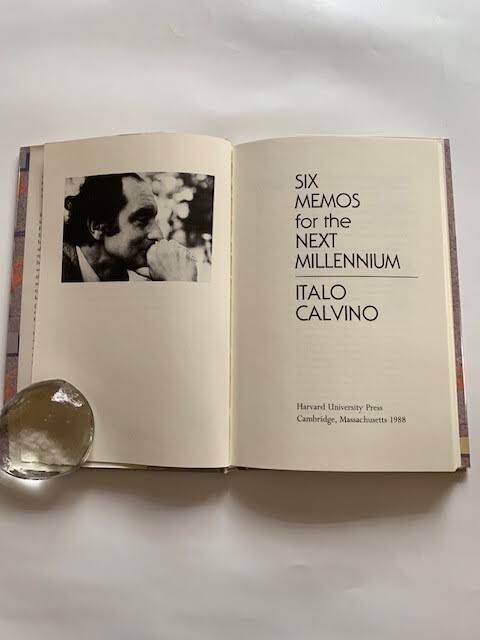
Italo Calvino died on 19 September 1985, at sixty-one, in a hospital in Siena, of complications from a stroke he had suffered a few days earlier. That autumn he was to travel to Harvard to deliver the Charles Eliot Norton Lectures: talks about literature and about the values he believed should be carried into the next millennium. Calvino never reached Harvard. Five of the texts survived. The sixth, to be called Consistency, was never written. Three years later the five were published as Six Memos for the Next Millennium.
The title itself carries that incompleteness. The five surviving memos are Lightness, Quickness, Exactitude, Visibility, and Multiplicity. Esther Calvino, the writer's wife, explains in her introduction that the sixth was to be devoted to Consistency, that Calvino meant to write it in Cambridge, and that it was likely to be about Herman Melville's Bartleby, the Scrivener. Richard Eder, writing in the Los Angeles Times in 1988, suggested that the unwritten memo may be present in another form throughout the book, since the apparently separate parts of Calvino's argument come together into a single whole.
Five Proposals for the Literature to Come
Calvino wrote these lectures not as a prediction of the future but as a defense of qualities in literature he thought worth carrying into the next thousand years. Lightness comes first. Brad Leithauser, in The New York Review of Books, notes that on the very first page Calvino describes his working method as a kind of subtraction of weight. This lightness is not shallowness. Eder, taking up a line of Calvino's, writes that a thoughtful lightness can make even banality look heavy and dull.
In Quickness, the question is not simply writing fast or cutting a story short. Calvino speaks of rhythm, of the movement of thought, of a story's capacity to travel from one point to another. Nicholas Lezard, in The Guardian, points to the tale Calvino tells at the end of that memo: the Chinese painter who asks for ten years in which to draw a crab, and at the end of those ten years draws the most perfect crab with a single stroke. For Lezard this is one instance of the contradictions the whole book is built on. Quickness can be the product of years of waiting and preparation.
Exactitude, likewise, does not mean setting ambiguity aside. Calvino defends a language that resists the generic, the nameless, and the abstract, a language that can make meaning sharp and alive again. Eder treats this as one of the central threads of the lectures, and points to Calvino's worry about a world in which ready-made images fall continuously on the mind and may weaken our capacity to form images of what is not in front of our eyes.
That worry carries into Visibility. Describing his own way of writing, Calvino says an image usually comes to him first, one he feels is carrying a meaning, even before he can explain that meaning in words. Other images then gather around it, and the story emerges out of the whole. Seen this way, the image is not a decoration on the story but one of the sources it springs from.
In the last completed memo, Multiplicity, Calvino arrives at a literature able to hold a network of worlds, bodies of knowledge, voices, and possibilities. Leithauser counts the range of reference as part of what makes the book what it is: in its pages Calvino moves from Ovid, Dante, Shakespeare, Balzac, Henry James, and Borges to computer science, Felix the Cat, the flying carpet, and the tarot. For Leithauser, these five memos bring into the open things that were already present in Calvino's fiction but that the writer had not yet stated so plainly.
A Book About Literature, or About Calvino?
Critics do not agree on how far Six Memos is a prescription for the literature ahead. Nicholas Lezard calls it one of the most unusual books of literary criticism, and writes that for all its brevity a world is contained in it. He also insists on its contradictions. Calvino defends exactitude yet attends to the value of ambiguity; he speaks of quickness yet illustrates it with the story of an artist who spends ten years preparing a single stroke. For Lezard, those contradictions are part of why the book is still alive.
Richard Eder takes a different angle. He begins from a sentence in the third memo in which Calvino admits that the lecture will not go in the direction he had planned for it. Eder sees that disobedience as part of Calvino's method: when the words resisted the original plan, Calvino listened to them instead of forcing them to obey, and followed where they went. The book is therefore not only a set of theories about literature but a specimen of Calvino's mind in the act of thinking.
Leithauser too finds in these memos a clear account of Calvino's own aesthetic. In this book, he suggests, the writer examines his tendencies and working habits with such clarity that many of the qualities critics had identified in his earlier fiction are here formulated by Calvino himself.
A book meant to be six lectures about the future arrived there as five lectures and an empty space. Calvino had no time to write the last one, or to read any of them at Harvard. The five remained. More than three decades later Lezard described them as short, contradictory, and deeply satisfying, and Leithauser called them the legacy of a writer who, in his final pages, disclosed part of the hidden logic of his own work. The sixth memo was never written, and perhaps that empty space is inseparable from a book whose title promised the future from the start.
Book Details
Original title: Lezioni americane. Sei proposte per il prossimo millennio
Author: Italo Calvino (1923–1985)
First published: Garzanti Libri, Milan, 1988
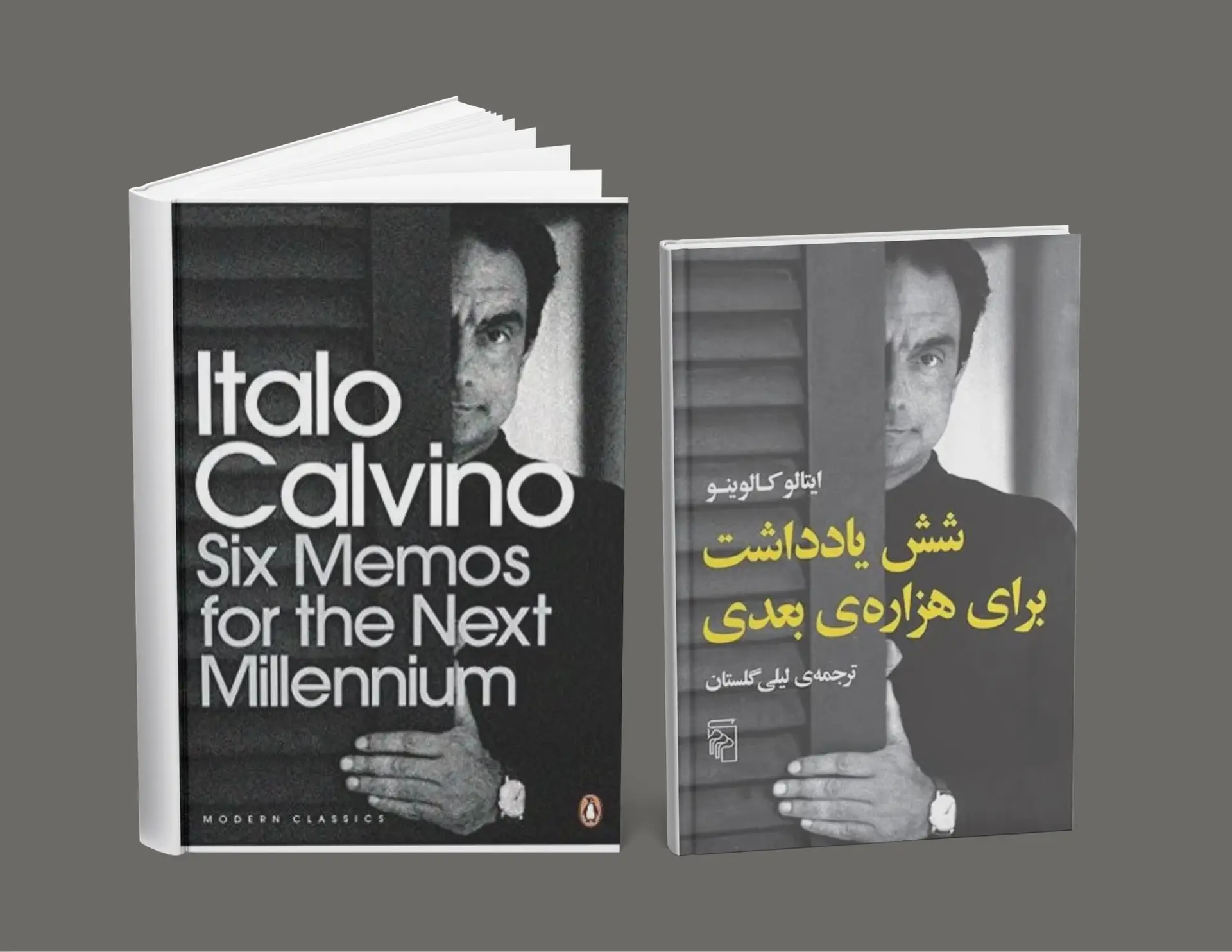
English translations: Patrick Creagh, Harvard University Press, 1988; Geoffrey Brock, Penguin Books, 2016
Persian translation: Leili Golestan, from the French
شش یادداشت برای هزارهٔ بعدی
ایتالو کالوینو و پنج یادداشتی که برای آینده باقی ماند
نوشتهٔ Owrang Editorial
ایتالو کالوینو در ۱۹ سپتامبر ۱۹۸۵، در شصتویکسالگی، بر اثر عوارض سکتهای که چند روز پیش از آن رخ داده بود، در بیمارستانی در سیهنا درگذشت. قرار بود همان پاییز برای ایراد سخنرانیهای معتبر چارلز الیوت نورتون به دانشگاه هاروارد برود. سخنرانیهایی درباره ادبیات و ارزشهایی که به باور او میبایست به هزاره بعد منتقل شوند. کالوینو هرگز به هاروارد نرسید. پنج متن از آن سخنرانیها باقی ماند و یادداشت ششم، با عنوان «Consistency»، نوشته نشد. این پنج متن سه سال بعد با عنوان «شش یادداشت برای هزارهٔ بعدی» منتشر شدند.
عنوان کتاب خود حامل این ناتمامی است. پنج یادداشت با نامهای «سبکی»، «سرعت»، «دقت»، «رؤیتپذیری» و «چندگانگی» باقی ماندهاند. استر کالوینو، همسر نویسنده، در مقدمه کتاب توضیح میدهد که یادداشت ششم قرار بود به «Consistency» اختصاص داشته باشد و کالوینو میخواست آن را در کمبریج بنویسد و به «بارتلبی محرر» هرمان ملویل بپردازد. ریچارد ادر، منتقد Los Angeles Times، در سال ۱۹۸۸ نوشت که شاید این یادداشت نانوشته به شکلی دیگر در تمام کتاب حضور داشته باشد، زیرا بخشهای ظاهراً متفاوت سخن کالوینو در کنار یکدیگر به کلیتی واحد میرسند.
پنج پیشنهاد برای ادبیات آینده
کالوینو این سخنرانیها را نه به عنوان پیشبینی آینده، بلکه برای دفاع از ویژگیهایی در ادبیات نوشته بود که به نظر او ارزش انتقال به هزاره بعد را داشتند. «سبکی» نخستین آنهاست. براد لیتهاوزر (Brad Leithauser) در The New York Review of Books یادآوری میکند که کالوینو در همان صفحه نخست روش کاری خود را نوعی «کاستن از وزن» معرفی میکند. این سبکی به معنای سطحیبودن نیست. ریچارد ادر نیز با اشاره به جمله کالوینو مینویسد که «سبکی متفکرانه» میتواند حتی ابتذال را سنگین و کسلکننده جلوه دهد.
در «سرعت»، مسئله فقط تند نوشتن یا کوتاه کردن روایت نیست. کالوینو از ریتم، حرکت فکر و توانایی داستان برای رفتن از یک نقطه به نقطه دیگر سخن میگوید. نیکلاس لزارد در The Guardian به داستانی اشاره میکند که کالوینو در پایان این یادداشت نقل میکند: نقاشی چینی که برای کشیدن یک خرچنگ ده سال فرصت میخواهد و در پایان آن ده سال، با یک حرکت قلم کاملترین خرچنگ را میکشد. برای لزارد، همین حکایت یکی از نمونههای تناقضهایی است که سراسر کتاب بر آنها بنا شده است. سرعت میتواند حاصل سالها مکث و آمادهشدن باشد.
«دقت» نیز نزد کالوینو به معنای کنار گذاشتن ابهام نیست. او از زبانی دفاع میکند که در برابر زبان عمومی، بینام و انتزاعی مقاومت کند، زبانی که به گفته او میتواند معنا را دوباره تیز و زنده کند. ادر این بخش را یکی از محورهای اصلی سخنرانیها میداند و به نگرانی کالوینو از جهانی اشاره میکند که در آن تصاویر آماده و از پیش ساختهشده پیوسته بر ذهن انسان فرود میآیند و ممکن است توانایی ما را برای ساختن تصویرهایی که در برابر چشم حضور ندارند کاهش دهند.
همین نگرانی به یادداشت «رؤیتپذیری» راه پیدا میکند. کالوینو در توضیح شیوه نوشتن خود میگوید اغلب نخست تصویری به ذهنش میآید که احساس میکند حامل معناست، حتی پیش از آنکه بتواند معنایش را با کلمات توضیح دهد. سپس تصاویر دیگر در اطراف آن شکل میگیرند و داستان از دل همین مجموعه به وجود میآید. از این منظر، تصویر برای کالوینو تزئین داستان نیست بلکه یکی از سرچشمههای پیدایش آن است.
در آخرین یادداشت کاملشده، «چندگانگی»، کالوینو به ادبیاتی میرسد که میتواند شبکهای از جهانها، دانشها، صداها و امکانهای مختلف را در خود جای دهد. لیتهاوزر گستره ارجاعات این سخنرانیها را بخشی از ویژگی کتاب میداند. کالوینو در صفحات آن از اووید، دانته، شکسپیر، بالزاک، هنری جیمز و بورخس به علوم کامپیوتر، گربه فلیکس، قالیچه پرنده و کارتهای تاروت میرسد. برای لیتهاوزر، این پنج یادداشت چیزهایی را آشکار میکنند که پیشتر در داستانهای کالوینو حضور داشتند اما خود نویسنده هنوز آنها را به این صراحت توضیح نداده بود.
کتابی درباره ادبیات یا درباره خود کالوینو؟
منتقدان در این نکته همنظر نیستند که «شش یادداشت» تا چه اندازه نسخهای برای آینده ادبیات است. نیکلاس لزارد آن را یکی از نامتعارفترین کتابهای نقد ادبی میداند و مینویسد با وجود کوتاهی کتاب، «جهانی» در آن جای گرفته است. او در عین حال بر تناقضهای کتاب تأکید میکند. کالوینو از دقت دفاع میکند اما به ارزش ابهام هم توجه دارد، از سرعت میگوید اما برای توضیح آن داستان هنرمندی را نقل میکند که ده سال برای یک حرکت قلم آماده میشود. برای لزارد، همین تناقضها از دلایل زندهبودن کتاباند.
ریچارد ادر زاویه دیگری انتخاب میکند. او از جملهای در یادداشت سوم آغاز میکند که در آن کالوینو اعتراف میکند سخنرانی حاضر نیست در مسیری حرکت کند که نویسنده از پیش برایش تعیین کرده است. ادر این سرپیچی را بخشی از روش کالوینو میبیند. به تعبیر او، وقتی کلمات در برابر نقشه اولیه مقاومت میکردند، کالوینو به جای وادارکردن آنها به اطاعت، به صدای آنها گوش میداد و مسیرشان را دنبال میکرد. از این رو کتاب نه فقط مجموعهای از نظریهها درباره ادبیات، بلکه نمونهای از ذهن کالوینو در هنگام فکرکردن است.
براد لیتهاوزر نیز در این یادداشتها نوعی توضیح روشن از زیباییشناسی خود کالوینو میبیند. به نظر او، نویسنده در این کتاب گرایشها و شیوههای کاریاش را با چنان وضوحی بررسی میکند که بسیاری از ویژگیهایی که منتقدان در آثار پیشین او تشخیص داده بودند، این بار از زبان خود کالوینو صورتبندی میشوند.
کتابی که قرار بود شش سخنرانی درباره آینده باشد، در نهایت با پنج سخنرانی و یک جای خالی به آینده رسید. کالوینو فرصت نکرد آخرین یادداشت را بنویسد یا هیچیک از آنها را در هاروارد بخواند. اما همان پنج متن باقی ماندند. لزارد بیش از سه دهه بعد آنها را کوتاه، متناقض و عمیقاً رضایتبخش توصیف کرد و لیتهاوزر آنها را میراث نویسندهای دانست که در واپسین نوشتههایش بخشی از منطق پنهان آثار خود را آشکار کرده بود. یادداشت ششم هرگز نوشته نشد و شاید همین فضای خالی، بخشی جداییناپذیر از کتابی باشد که عنوانش از همان ابتدا وعده آینده را میداد.
مشخصات کتاب
عنوان اصلی: Lezioni americane. Sei proposte per il prossimo millennio
نویسنده: ایتالو کالوینو (۱۹۲۳ تا ۱۹۸۵)
نخستین انتشار: Garzanti Libri، میلان، ۱۹۸۸
ترجمه انگلیسی: پاتریک کریگ، Harvard University Press، ۱۹۸۸؛ جفری براک، Penguin Books، ۲۰۱۶
ترجمه فارسی: لیلی گلستان، از فرانسه
گونه: نقد و نظریه ادبی