
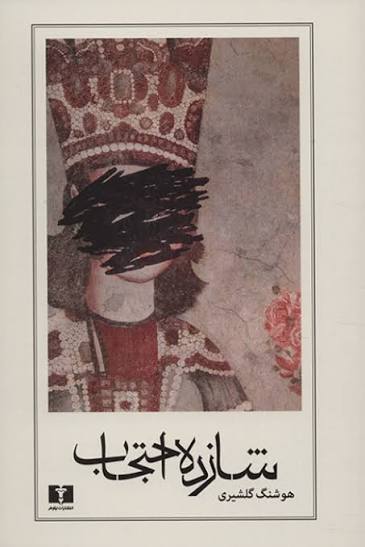
Prince Ehtejab (Shazdeh Ehtejab); Written by Houshang Golshiri
By Owrang Editorial
Prince Ehtejab was published in 1969, one of the rare Persian novels that opened a new path in narrative form, had something genuinely new to say, and quickly traveled beyond the borders of its own literature. On the surface it is the story of a single night in which a Qajar prince, sick and dying, sits in a decaying house as a flood of memories deepens his unraveling mind. Memories that are in truth the retelling of the history of a dynasty, of an entire historical era, and of the decay and disintegration of a power slowly wearing away; a history saturated with violence, fear, possession, and the suppression of women.
The novel is rooted in the Qajar era, and the prince is the last survivor of a collapsed house; his home is less a residence than a museum, where everything on display recalls a historical passage whose disintegration is bound to the disintegration of his own ailing mind. Photographs, objects, memories and the voices of the past come to life in the prince's mind in disordered fashion, and he, unable to let go of his inheritance, is dragged down with it into the depths of darkness.
Thus takes shape a story that, in the words of Abolhassan Najafi, is gripping and readable from whatever page you open it. In Prince Ehtejab, Golshiri employs the stream of consciousness technique, a method for which, before him in Persian literature, Sadegh Hedayat in The Blind Owl, Sadegh Chubak in The Patient Stone and Bahram Sadeghi in Malakut had each opened a way. But in Golshiri's hands, the prince's fevered mind becomes a site for summoning history; a history jumbled and disordered, with no before and no after, exactly like his own disordered mind.
The aesthetics of the work take shape in its compression and its play of light and shadow. With prose that is spare, precise and finely measured, the author builds a world in which every object and every phenomenon carries a memory: a chair, a photograph, a cough, smoke, the darkness of the house. Illness gradually becomes a symbol of the decline of an entire intellectual and familial order.
In this novel Golshiri recreated the experiments of the modern novel within Iranian language and history. In its kinship with the great modern novels of the world, Prince Ehtejab is best read alongside Faulkner and Virginia Woolf. It shares a family resemblance with Faulkner's The Sound and the Fury in narrating the decline of a house through broken minds and dislocated time, and with Absalom, Absalom! in turning the history of a society into the history of a single dynasty. On the other side, it stands close to Woolf's Mrs Dalloway and To the Lighthouse; works in which external time is confined, yet the minds of the characters ceaselessly return the past, its losses and the weight of history to the present. And if one seeks a comparison in the atmosphere of the house and the extinction of a family line, Edgar Allan Poe's The Fall of the House of Usher is an illuminating example; a place where house, body and bloodline collapse together. Golshiri's difference is that he dissolves all these possibilities into Iranian language and history: in a Qajar house, in a diseased memory, and in a prose that makes the decay of power not merely its subject but the very form of its narration.
At a time when a major part of Persian fiction still moved under the shadow of social realism and direct narration, Prince Ehtejab showed that history could also be narrated through form.
Bahman Farmanara's film adaptation widened the novel's reach and showed how readily Golshiri's compressed, visual world could be carried onto the screen. The film Prince Ehtejab became one of the most important literary adaptations in Iranian cinema and brought the novel to life for a new generation of readers. And yet the essential value of the work remains in its literary text: in the precise architecture of its sentences, in its breaking of time, in its binding of social history to the human psyche, and in the building of a narrative that turns the fall of a dynasty into an image of the fall of power itself.
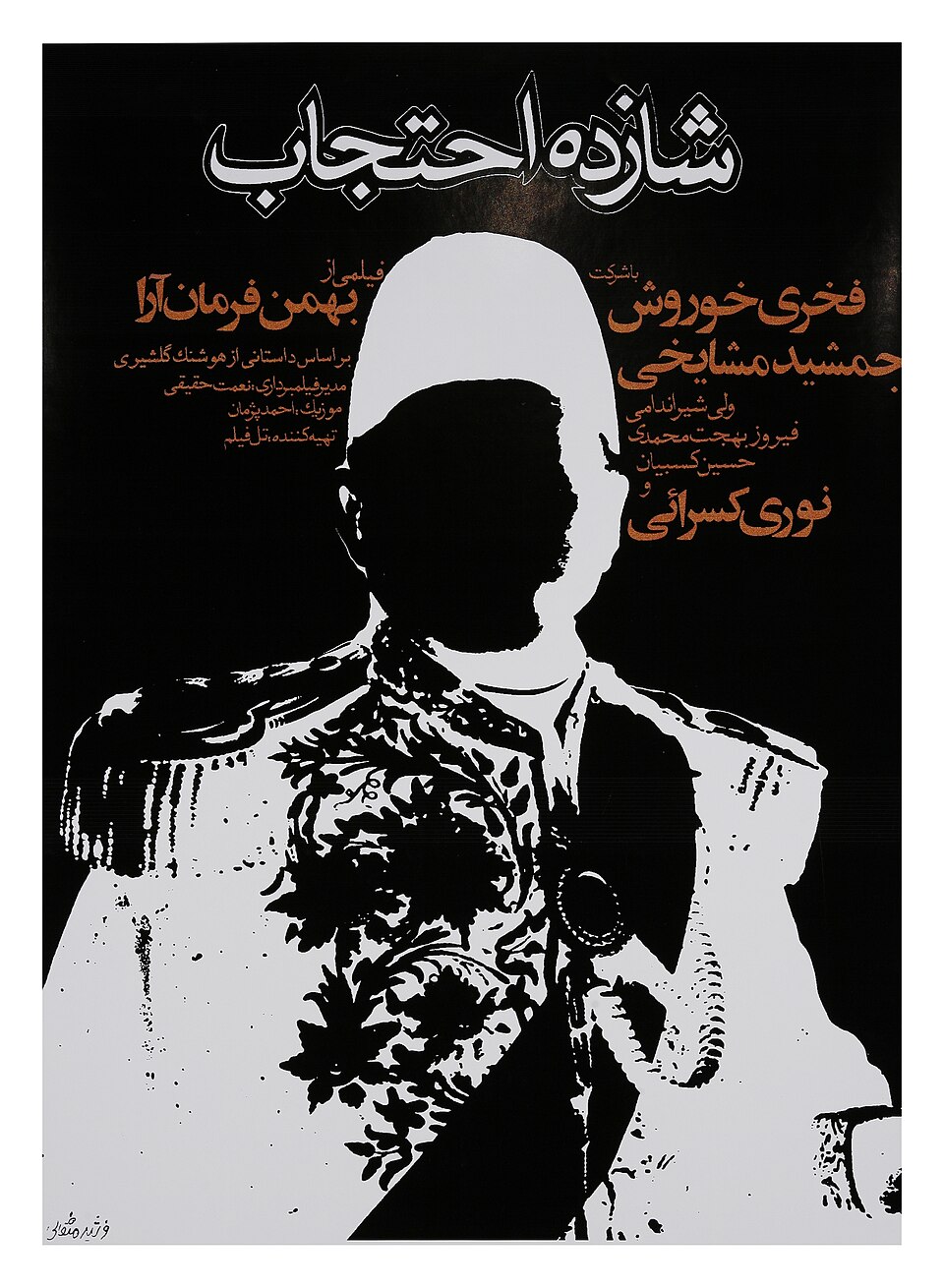
شازده احتجاب؛ اثر هوشنگ گلشیری
گلشیری و آفرینش شکلی تازه در هنر داستان نویسی
نوشتهٔ Owrang Editorial
شازده احتجاب در سال ۱۳۴۸ منتشر شد،از معدود رمانهای فارسی که در فرم روایت راهی دیگر گشود و حرفی تازه داشت و خیلی زود از محدوده ادبیات داخلی فراتر رفت. این رمان در ظاهر داستان شبی است که شازدهای قاجاری، بیمار و رو به مرگ، در خانهای فرسوده نشسته و هجوم خاطرات بر روانپریشی او میافزاید. خاطراتی که در حقیقت بازگوی تاریخ یک خاندان، یک دورهٔ تاریخی و زوال و اضمحلال قدرتی است که رفته رفته فرسوده می شود؛ تاریخی سرشار از خشونت، ترس، تملک، و سرکوب زنان .
ریشه تاریخی رمان در دوران قاجار است و شازده آخرین بازمانده یک دودمان فروپاشیده؛ خانهاش بیشتر شبیه موزهای است که همه آنچه درآن است یادآور گذار تاریخی است که اضمحلالش با اضمحلال ذهن بیمار پیوند میخورد. عکسها، اشیا، خاطرهها و صداهای گذشته در ذهن شازده بهطرزی آشفته جان میگیرند و او را که قادر نیست از میراث خویش دست بردارد با خود به عمق تاریکی می کشاند .
به این ترتیب داستانی شکل میگیرد که به قول ابوالحسن نجفی، از هر جای کتاب که بازش کنی خواندنی و جذاب است. گلشیری در «شازده احتجاب» از تکنیک جریان سیال ذهن استفاده میکند؛ شیوهای که پیش از او در ادبیات فارسی، صادق هدایت در «بوف کور»، صادق چوبک در «سنگ صبور» و بهرام صادقی در «ملکوت» راههایی برای آن گشوده بودند. اما در دست گلشیری، ذهن تبدار شازده به محلی برای احضار تاریخ بدل میشود؛ تاریخی درهم و آشفته، بیهیچ تقدم و تأخر زمانی، درست همانند ذهن آشفته خود او.
زیباییشناسی اثر در فشردگی و سایهروشن آن شکل میگیرد. نویسنده با نثری کمگو، دقیق و حسابشده، جهانی میسازد که در آن هر شیء و هر پدیده حامل خاطره ای است: صندلی، عکس، سرفه، دود، تاریکی خانه. بیماری، رفتهرفته به نمادی از زوال یک نظام فکری و خانوادگی بدل میشود.
گلشیری در این رمان تجربههای رمان مدرن را در زبان و تاریخ ایران بازآفرینی کرد. از نظر قرابت با رمانهای مدرن جهان، «شازده احتجاب» را میتوان بیش از همه در کنار آثار فاکنر و ویرجینیا وولف خواند. با «خشم و هیاهو»ی فاکنر در روایت زوال یک خاندان از راه ذهنهای شکسته و زمان ازهمگسیخته همخانواده است و با «آبسالوم، آبسالوم!» در تبدیل تاریخ یک جامعه به تاریخ یک دودمان. از سوی دیگر، در نزدیکی با «خانم دالووی» و «به سوی فانوس دریایی» وولف قرار میگیرد؛ آثاری که زمان بیرونی در آنها محدود است اما ذهن شخصیتها گذشته، فقدان و فشار تاریخ را پیوسته به اکنون بازمیگرداند. اگر بخواهیم از نظر فضای خانه و انقراض خاندان نیز مقایسهای بیاوریم، «سقوط خاندان آشر» ادگار آلن پو نمونهای روشنگر است؛ جایی که خانه، بدن و دودمان با هم فرو میریزند. تفاوت گلشیری در این است که همه این امکانات را در زبان و تاریخ ایرانی حل میکند؛ در خانهای قاجاری، در حافظهای بیمار، و در نثری که زوال قدرت را نه فقط موضوع، بلکه شکل خود روایت میسازد.
در زمانهای که بخش مهمی از داستاننویسی فارسی هنوز زیر سایه رئالیسم اجتماعی و روایت مستقیم حرکت میکرد، «شازده احتجاب» نشان داد که تاریخ را میتوان از راه فرم نیز روایت کرد.
اقتباس سینمایی بهمن فرمانآرا جایگاه این رمان را گستردهتر کرد و نشان داد که جهان فشرده و تصویری گلشیری تا چه اندازه ظرفیت انتقال به سینما دارد. فیلم «شازده احتجاب» یکی از مهمترین اقتباسهای ادبی سینمای ایران شد و رمان را برای نسلی تازه از مخاطبان زنده کرد. با این همه، ارزش اصلی اثر همچنان در متن ادبی آن است: در معماری دقیق جملهها، در شکستن زمان، در پیوند تاریخ اجتماعی و روان بشری، و در ساختن روایتی که فروپاشی یک خاندان را به تصویری از فروپاشی قدرت تبدیل میکند.