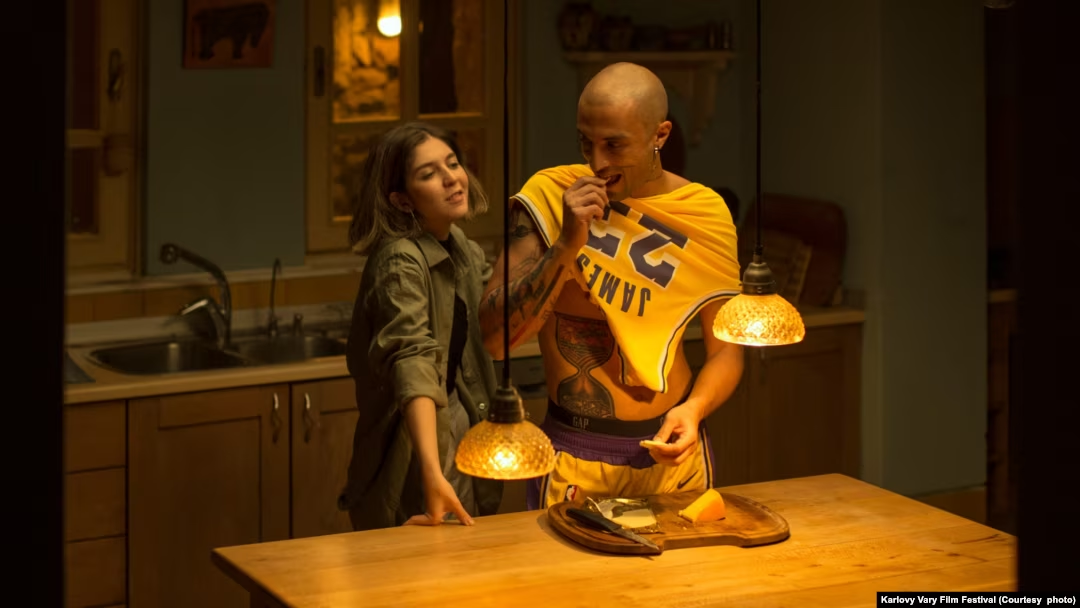
Bidad
By Owrang Editorial
On the occasion of the Sacramento screening of Bidad, presented by House of Iran Sacramento, we have chosen it as our Film of the Week.
Bidad is the fourth film by Soheil Beiraghi, a filmmaker known for Me, Cold Sweat, and Popular, whose work has mostly dealt with women and their social struggles. At the center of the film is Seti, a young woman devoted to music who wants her voice to be heard on its own. But the law stands against that wish, for under the laws of the Islamic Republic a woman may not sing solo for a general audience, and only group singing by women is permitted. In the face of these restrictions, she turns the street into her stage. Passersby become her first audience, and as videos of her performances spread she gains a fame that, at first, brings her fresh trouble. Sarvin Zabetian, Amir Jadidi, and Leili Rashidi are its lead actors.
What sets Bidad apart from other films of the year is not only its subject but the way it was made and released. Beiraghi told TheWrap that, unlike his three earlier films, he made Bidad without official approval or a permit. The film was produced in 2022, a year when Iranian society was in the middle of wide unrest. After it was made, Beiraghi and several of the film's crew faced court sentences; according to Radio Farda, the total prison term set for Beiraghi was four years and three months, later converted to a fine, and the names of Leili Rashidi, Amir Jadidi, Sarvin Zabetian, Ali Mollagholipour, and Peyman Shadmanfar, the film's cinematographer, also appeared in the case.
The film had its world premiere on Wednesday, July 9, 2025, at the Karlovy Vary festival, in the Crystal Globe competition, and won the Special Jury Prize. About a year later, on Sunday, August 9, 2026, Beiraghi took the unusual step of releasing the full film on his own YouTube channel, making it freely available to all. BBC Persian and other outlets described it as an example of Iran's independent, underground cinema. That path, from a foreign festival to free release online, made it one of the most talked-about works of the year.
Three views of Bidad
Screen Daily, Wendy Ide, July 10, 2025
Ide finds the film raw and rough around the edges and calls some of its dialogue declamatory, yet at the same time she sees it as a fiercely potent drama about a singer fighting to be heard, and counts the cinematography and Zabetian's performance among its strengths. This is the judgment of a professional festival critic who separates the weakness of the craft from the importance of the subject.
MovieMag (moviemag.ir)
The Persian film magazine MovieMag calls the film "respectable, important, and engaged with a real problem," but insists on one weakness: the screenplay is at several points too direct, and instead of translating its anger into the language of cinema, it casts it as blunt statements and verbal positions. Its conclusion is that Bidad is neither a masterpiece nor a failure, but moves along a fine line between daring and rawness.
Akhbar Rooz, Mehrdad Khamenei, August 21, 2026
Khamenei writes that to review Bidad one must step back for a moment from the film's political courage, because a film can be politically bold and cinematically conservative. In his view Bidad has opened the first door but still stands behind the second; it breaks the ban, but not the cinematic grammar of speaking about the ban. Even so, he sees the film as part of a transition, from a cinema that had to stay silent about the ban to one seeking a new language to move past it.
Translation assisted by AI
بیداد
نوشتهٔ Owrang Editorial
«بیداد» چهارمین ساختهٔ سهیل بیرقی است، فیلمسازی که پیشتر با «من»، «عرق سرد» و «عامهپسند» شناخته شده و در بیشتر آثارش به زنان و مسائل اجتماعی آنان پرداخته است. شخصیت محوری فیلم، دختری است جوان و دلبستهٔ موسیقی به نام ستی که میخواهد صدایش مستقل شنیده شود. اما قوانین در برابر این خواست او قد علم کردهاند، چرا که بر پایهٔ قوانین جمهوری اسلامی، اجرای آواز تکی زن برای مخاطب عام مجاز نیست و تنها گروهخوانی زنان مجاز شمرده میشود. در برابر این محدودیتها، او خیابان را به صحنهٔ خود بدل میکند؛ رهگذران نخستین مخاطبان او میشوند و با انتشار ویدئوهای اجراهایش شهرت مییابد، شهرتی که در گام نخست دشواریهای تازهای برایش میسازد. سَروین ضابطیان، امیر جدیدی و لیلی رشیدی بازیگران اصلی آناند.
آنچه «بیداد» را از دیگر فیلمهای امسال جدا میکند تنها موضوع آن نیست، بلکه شیوهٔ ساخت و انتشار آن است. بیرقی در گفتوگو با TheWrap توضیح داد که برخلاف سه فیلم پیشینش، «بیداد» را بدون دریافت تأیید رسمی و مجوز ساخت. فیلم محصول سال ۱۴۰۱ است، سالی که جامعهٔ ایران در میانهٔ رویدادهای گستردهای قرار داشت. پس از ساخت، بیرقی و شماری از عوامل فیلم با احکام قضایی روبهرو شدند؛ به گزارش رادیو فردا، مجموع حبس تعیینشده برای بیرقی چهار سال و سه ماه بود که به جزای نقدی تبدیل شد، و نام لیلی رشیدی، امیر جدیدی، سَروین ضابطیان، علی ملاقلیپور و پیمان شادمانفر، فیلمبردار اثر، نیز در پرونده آمد.
نخستین نمایش جهانی فیلم روز چهارشنبه ۱۸ تیر ۱۴۰۴ برابر با ۹ ژوئیهٔ ۲۰۲۵ در جشنوارهٔ کارلووی واری و در بخش مسابقهٔ گوی بلورین برگزار شد و فیلم جایزهٔ ویژهٔ هیئت داوران را گرفت. حدود یک سال بعد، روز یکشنبه ۱۸ مرداد ۱۴۰۵ برابر با ۹ اوت ۲۰۲۶، بیرقی در اقدامی کمسابقه نسخهٔ کامل فیلم را در کانال یوتیوب شخصی خود منتشر کرد و در دسترس همگان گذاشت. بیبیسی فارسی و رسانههای دیگر آن را از نمونههای سینمای مستقل و زیرزمینی ایران خواندند. همین مسیر، از جشنوارهٔ خارجی تا انتشار آزاد در فضای مجازی، فیلم را به یکی از پرگفتوگوترین آثار سال بدل کرد.
سه نگاه به «بیداد»
Screen Daily، وندی آید، ۱۰ ژوئیه ۲۰۲۵
آید فیلم را خام و ناصاف میداند و بخشی از دیالوگها را شعاری میخواند، اما در همان حال آن را درامی پرقدرت دربارهٔ خوانندهای میبیند که برای شنیدهشدن میجنگد، و شیوهٔ فیلمبرداری و بازی ضابطیان را از نقاط قوت آن برمیشمارد. این داوری یک منتقد حرفهای جشنواره است که ضعف ساخت را از اهمیت موضوع جدا میکند.
موویمگ (moviemag.ir)
مجلهٔ سینمایی موویمگ فیلم را «قابل احترام، مهم و مسئلهمند» میخواند اما بر یک ضعف پافشاری میکند: فیلمنامه در چند نقطه بیش از اندازه مستقیم است و بهجای آنکه خشمش را به زبان سینما ترجمه کند، آن را در قالب جملههای صریح و موضعگیری لفظی میریزد. جمعبندی این نقد آن است که «بیداد» نه شاهکار است و نه شکست، بلکه روی خط باریکی میان جسارت و خامی حرکت میکند.
اخبار روز، مهرداد خامنهای، ۲۱ اوت ۲۰۲۶
خامنهای مینویسد برای نقد «بیداد» باید یک لحظه از شجاعت سیاسی فیلم فاصله گرفت، چون فیلمی میتواند از نظر سیاسی جسور و از نظر سینمایی محافظهکار باشد. به باور او «بیداد» درِ اول را باز کرده اما هنوز پشت درِ دوم ایستاده است؛ ممنوعیت را میشکند، اما دستور زبان سینمایی حرفزدن از ممنوعیت را نه. با این همه فیلم را بخشی از یک گذار میداند، از سینمایی که ناچار بود دربارهٔ ممنوعیت سکوت کند به سینمایی که در پی زبان تازهای برای عبور از آن است.