
Art Behind Walls
Thirty students suspended this September. Thirty chairs left empty.
Have you, too, been captivated by Iranian art? Iran's painting, its cinema, its music, its crafts, its poetry, its novels and stories. You have probably seen Iranian works that won international prizes. Have you ever asked yourself why so many who saw these works and opened their eyes to them close their eyes to the injustice running through the land this art came from? Why is so little said about it?
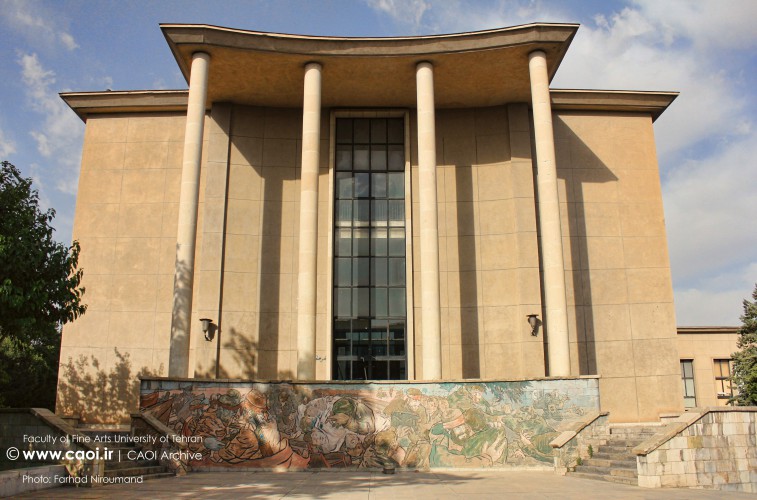
This week, as the new academic year opened in Iran, at least thirty chairs stood empty in the classrooms of the Tehran University of Art. The students who should have filled them have been barred from study for two to four semesters, and their names have not been made public. Last March, a few weeks after the mass killing of protesters in January, students gathered in large numbers at Tehran's universities to mourn the dead and protest. A large share of today's disciplinary rulings come from cases opened after those gatherings.
We know that empty chair. For years we have lived beside it. Since the revolution, again and again after every collective protest, we have lost another group of friends. Some went to prison and some into exile. Those of us who stayed were afraid and fell silent. We found ways around the censor, and still we were purged and forgotten.
When you applaud Iranian artists at festivals and in galleries, remember how many artists in Iran have been pushed out of sight because of the way they think and speak, their work never given the chance to be seen.
Forty-seven years of restraint on art and thought, set beside the achievements of those who crossed these borders, reveal a vast human potential that could flourish far beyond what we see today. Some who crossed never came home. The novelist Shahrnush Parsipur, whose Women Without Men was banned in Iran, died in exile in California this July. Azar Fakhr and Kamran Nozad, a couple who had given their lives to acting, said farewell in exile first to the stage and then to life itself. Said Oveissi, who won Sweden's Guldbagge award for Wings of Glass, died in Sweden this February, and for all his success he never became known to a new generation of Iranians as he deserved. Viguen and Hayedeh, voices that once filled Iran, fell silent far from home. It is a scroll without end. And how many, caught in the daily struggle of life in exile, had no choice but to set their art aside, and were forgotten.
The ruling against these students comes at a time when seeing and reflecting reality can itself be counted as a charge. In August, Iran's parliament approved the outline of a bill titled "Countering the Infiltration of Foreign Intelligence Services, Governments and Institutions." Its Article 14 reaches into film, theatre, music and books and speaks of works that present a "dark image of Iran." A note to the same article provides a permanent ban from artistic work for the author, producer or director of such works.
Imagine living and working under such a law. The phrase "dark image of Iran" has no clear legal definition, and Iran's House of Cinema has warned against exactly this vagueness. A word without borders can take in anything. You would never know which of your images of poverty or of ordinary life might one day be read as an accusation rather than an observation.
This road began in the first years after the 1979 revolution. A system of permits and censorship cast its shadow over every art, and in the Cultural Revolution of 1980 the universities were closed and hundreds of students and professors were expelled.
Fereydoun Farrokhzad, the singer and television host loved by a generation, was brutally stabbed to death in his home in Bonn in 1992, a harrowing killing widely attributed to agents of the Islamic Republic. Six years later, the killings known as Iran's Chain Murders drenched this road in blood inside the country. The writers Mohammad Mokhtari and Mohammad-Jafar Pouyandeh were abducted and killed. Dariush and Parvaneh Forouhar and Majid Sharif were murdered in the same autumn. In January 1999 the Ministry of Intelligence admitted that its own agents had taken part in the killings. Iran's cultural community understood the message clearly. From then on, the price of crossing certain lines could be a life. Yet who can imprison thought, or kill it?
The same message reaches artists today. In 2018 the satirist Kiumars Marzban was arrested by the intelligence arm of the Revolutionary Guards and held until a pardon more than a year later. In June, Iran's Revolutionary Court upheld a one-year prison sentence against Jafar Panahi, whose film many of you watched and applauded when it won the Palme d'Or at Cannes the year before. That same month, the singer Parastoo Ahmadi and eight of her musicians were sentenced to 74 lashes and two-year bans on travel and performance, for a concert in an empty caravanserai where she sang with her hair uncovered.
The state, while restraining independent art, has also always tried to build a commissioned art of its own, an art produced and promoted with lavish funding and even exported abroad. Some of it may have reached you. New faces stepped forward and earlier ones were pushed aside. Some of the independent artists we know today entered the field with the support of this very structure, but over time, by seeing and hearing others, they found their own language and at times became critics of the structure that had supported their rise. And the purge went on.
On the other side, underground art, made outside official channels and without that funding, has found its own way, built an audience and crossed borders. Even so, what reaches you from underground is only part of Iran's artistic capacity. Here lies the answer to the question we began with. The world sees the art that managed to get out. What was stopped at the door never reaches your eyes, and perhaps the greater part of Iran's art is exactly these unmade works, like these students, barred from study before their artistic path could begin.
It is plain that, among all the arts, theatre has no way out. A banned film can still reach a festival abroad and a banned book can be printed elsewhere, but a play lives only in one hall, on one evening, before a living audience. Close the stage and nothing remains. Even so, theatre artists, more overlooked and more wronged than the rest, still give their lives to the stage. Funding a company and keeping it going is anything but easy, yet theatre in Iran is alive. Some of those thirty students were training for that very stage.
A year in prison is 365 days, and so is a year of suspension from study. No ruling can return those days of youth. A twenty-year-old student kept away from university for two years loses two years of learning and of making first works. Every arrest and every ruling leaves a wound that reaches family and friends, and sometimes surfaces years later as fear or emigration.
What is being wasted in Iran is the lifetime of a generation. Thirty chairs at the University of Art will stay empty this year. The resemblance between how Iran silences its artists today and how Nazi Germany, Fascist Italy and Stalin's Soviet Union silenced theirs creates the impression that in another corner of the world history has moved in reverse, and that people in the twenty-first century are still paying with their freedom for a poem, a song or a play.
هنر در حصار
سی دانشجو مهر امسال تعلیق شدند. سی صندلی خالی ماند
نوشتهٔ Rokhand Gharavi رخند غروی
آیا شما هم مجذوب هنر ایرانی شدهاید؟ نقاشی ایران، سینمای ایران، موسیقی، هنرهای دستی، شعر، رمان و داستان ایرانی. احتمالاً آثار ایرانی برندهٔ جوایز بینالمللی را دیدهاید. آیا تا به حال از خود پرسیدهاید چرا بسیاری از آنان که چشم بر این آثار میگشایند، بر بیعدالتیِ جاری در سرزمینی که این هنر از آن برخاسته چشم میبندند؟ چرا اینقدر کم از آن سخن گفته میشود؟
این هفته، همزمان با آغاز سال تحصیلی تازه در ایران، دستکم سی صندلی در کلاسهای دانشگاه هنر تهران خالی ماند. دانشجویانی که باید روی آنها مینشستند به دو تا چهار ترم محرومیت از تحصیل محکوم شدهاند و نامشان هنوز اعلام نشده است. اسفند گذشته، چند هفته پس از کشتار گستردهٔ معترضان در دیماه، شمار زیادی از دانشجویان در دانشگاههای تهران گرد هم آمدند تا برای کشتهشدگان سوگواری کنند و صدای اعتراضشان را بلند کنند. بخش بزرگی از احکام انضباطی امروز از پروندههایی میآید که پس از همان تجمعها گشوده شد.
ما آن صندلی خالی را میشناسیم. سالهاست کنارش زندگی کردهایم. پس از انقلاب، بارها بعد از هر اعتراض جمعی، گروهی از دوستانمان را از دست دادیم. بعضی به زندان رفتند و بعضی به غربت. ما که ماندیم، ترسیدیم و ساکت شدیم. راههایی برای دور زدن سانسور پیدا کردیم و باز هم تصفیه شدیم و از یاد رفتیم.
وقتی هنرمندان ایرانی را در جشنوارهها و نگارخانهها تشویق میکنید، به یاد داشته باشید در ایرانزمین چه بسیارند هنرمندانی که به دلیل نوع تفکر و بیانشان از صفحهٔ روزگار محو شدهاند و هرگز فرصت دیده شدن نیافتهاند.
چهلوهفت سال محدودیت بر هنر و اندیشه، در کنار دستاوردهای جهانی کسانی که از این مرزها گذشتند، نشان میدهد این سرزمین چه سرمایهٔ انسانی عظیمی دارد که میتوانست بسیار بیش از امروز شکوفا شود. شماری از آنان هرگز به خانه بازنگشتند. شهرنوش پارسیپور، نویسندهٔ «زنان بدون مردان» که انتشارش در ایران ممنوع شد، تیر امسال در غربت، در کالیفرنیا، درگذشت. آذر فخر و کامران نوزاد، زوج هنرمندی که عمرشان را به بازیگری داده بودند، در غربت نخست با صحنه و سپس با زندگی بدرود گفتند. سعید اویسی، که برای «بالهای بلورین» جایزهٔ گولدباگهٔ سوئد را برد، اسفند گذشته در سوئد درگذشت و با همهٔ موفقیتهایش، نسل تازهٔ ایرانیان او را آنگونه که باید نشناخت. ویگن و هایده، صداهایی که روزگاری ایران را پر کرده بودند، دور از خانه خاموش شدند. طوماری است که پایان ندارد. و چه بسیار که در روزمرگی مهاجرت، به ناچار دست از کار هنری کشیدند و فراموش شدند.
حکم این دانشجویان در زمانی صادر میشود که دیدن و بازتاب دادن واقعیت هم میتواند اتهام به شمار آید. مرداد امسال، مجلس کلیات طرح «مقابله با نفوذ سرویسهای اطلاعاتی و دولتها یا نهادهای بیگانه» را تصویب کرد. مادهٔ ۱۴ این طرح به سینما، تئاتر، موسیقی و کتاب میرسد و از آثاری سخن میگوید که «چهرهٔ سیاه از ایران» نشان میدهند. تبصرهٔ همین ماده برای مؤلف، تهیهکننده یا کارگردان چنین آثاری محرومیت دائمی از کار هنری پیشبینی کرده است.
تصور کنید زیر چنین قانونی زندگی و کار کنید. «چهرهٔ سیاه از ایران» تعریف حقوقی روشنی ندارد و خانهٔ سینما هم دربارهٔ همین ابهام هشدار داده است. واژهای که مرز ندارد میتواند هر چیزی را در بر بگیرد. هرگز نمیدانستید کدام تصویرتان از فقر یا زندگی روزمره، روزی به جای مشاهده، اتهام خوانده خواهد شد.
این راه از نخستین سالهای پس از انقلاب ۱۳۵۷ آغاز شد. نظام مجوز و سانسور بر همهٔ هنرها سایه انداخت و در انقلاب فرهنگی ۱۳۵۹ دانشگاهها تعطیل شدند و صدها دانشجو و استاد اخراج شدند.
در ۱۳۷۱، فریدون فرخزاد، خواننده و مجری محبوب یک نسل، در خانهاش در شهر بن به شکلی دلخراش با ضربههای چاقو کشته شد، قتلی که بهطور گسترده به مأموران جمهوری اسلامی نسبت داده میشود. شش سال بعد، در ۱۳۷۷، قتلهای زنجیرهای این راه را در خود ایران به خون کشید. محمد مختاری و محمدجعفر پوینده، دو نویسنده، ربوده و کشته شدند. داریوش و پروانه فروهر و مجید شریف نیز در همان پاییز به قتل رسیدند. وزارت اطلاعات در دیماه همان سال پذیرفت که مأموران خودش در این قتلها دست داشتهاند. جامعهٔ فرهنگی ایران پیام را روشن فهمید. از آن پس، بهای عبور از برخی مرزها میتوانست جان باشد. اما چه کسی میتواند اندیشه را زندانی کند یا بکشد؟
همین پیام امروز هم به هنرمندان میرسد. کیومرث مرزبان، طنزنویس، در ۱۳۹۷ به دست سازمان اطلاعات سپاه بازداشت شد و تا عفوی که بیش از یک سال بعد رسید در زندان ماند. در جون گذشته، دادگاه انقلاب حکم یک سال زندان جعفر پناهی را تأیید کرد، کارگردانی که بسیاری از شما سال پیش از آن، وقتی نخل طلای جشنوارهٔ کن را برد، فیلمش را دیدید و برایش کف زدید. در همان ماه، پرستو احمدی و هشت نوازندهاش به ۷۴ ضربه شلاق و دو سال ممنوعیت سفر و اجرا محکوم شدند، برای کنسرتی در کاروانسرایی خالی که او در آن بیروسری خواند.
حکومت در کنار محدود کردن هنر مستقل، همواره کوشیده است هنر فرمایشی خود را نیز بسازد، هنری که با پشتوانهٔ مالی چشمگیر تولید و تبلیغ و حتی به کشورهای دیگر صادر میشود. شاید بخشی از آن به شما هم رسیده باشد. چهرههای تازهای به میدان آمدند و چهرههای پیشین کنار زده شدند. شماری از هنرمندان مستقلی که امروز میشناسیم با حمایت همین ساختار وارد عرصه شدند، اما بهتدریج، با دیدن و شنیدن دیگران، زبان خود را پیدا کردند و گاه به منتقد همان ساختار بدل شدند. و تصفیه ادامه یافت.
در سوی دیگر، هنر زیرزمینی بی این پشتوانه و اغلب در حاشیهٔ محدودیتها راه خود را پیدا کرده، مخاطب ساخته و از مرزها گذشته است. با این همه، آنچه از زیرزمین به شما میرسد تنها بخشی از ظرفیت هنری ایران است. پاسخ پرسش آغاز این نوشته همینجاست. جهان هنری را میبیند که توانسته بیرون بیاید. آنچه پشت در متوقف شده هرگز به چشم شما نمیرسد، و شاید بخش بزرگ هنر ایران همین آثار ناساخته باشد، درست مانند همین دانشجویانی که پیش از آغاز مسیر هنریشان از تحصیل محروم شدهاند.
پربدیهی است که در میان هنرها، تئاتر راهی به بیرون ندارد. فیلم ممنوع هنوز میتواند به جشنوارهای خارجی برسد و کتاب ممنوع جای دیگری چاپ شود، اما نمایش فقط در یک سالن و در یک شب، برابر تماشاگر زنده زندگی میکند. صحنه را که ببندند، چیزی نمیماند. با این همه، هنرمندان تئاتر، مهجورتر و مظلومتر از بقیه، همچنان به صحنه جان میدهند. تأمین کردن و به راه انداختن یک گروه آسان نیست، اما تئاتر در ایران زنده است. شماری از آن سی دانشجو برای همین صحنه آموزش میدیدند.
یک سال زندان ۳۶۵ روز است، یک سال تعلیق از تحصیل نیز. هیچ حکمی آن روزهای جوانی را پس نمیدهد. دانشجوی بیستسالهای که دو سال از دانشگاه دور میماند، دو سال از آموختن و ساختن نخستین آثارش را از دست میدهد. هر بازداشت و هر حکم زخمی بر جا میگذارد که به خانواده و دوستان هم میرسد و گاه سالها بعد به شکل ترس یا مهاجرت سر باز میکند.
آنچه در ایران تباه میشود عمر یک نسل است. سی صندلی در دانشگاه هنر امسال خالی میماند. شباهت آنچه امروز در ایران رخ میدهد با آنچه در آلمان نازی، ایتالیای فاشیست و شوروی استالین گذشت، این تصور را پدید میآورد که در گوشهای دیگر از دنیا تاریخ معکوس حرکت کرده و مردمان در قرن بیستویکم هنوز بهای یک شعر، یک ترانه یا یک نمایش را با آزادی خود میپردازند.