
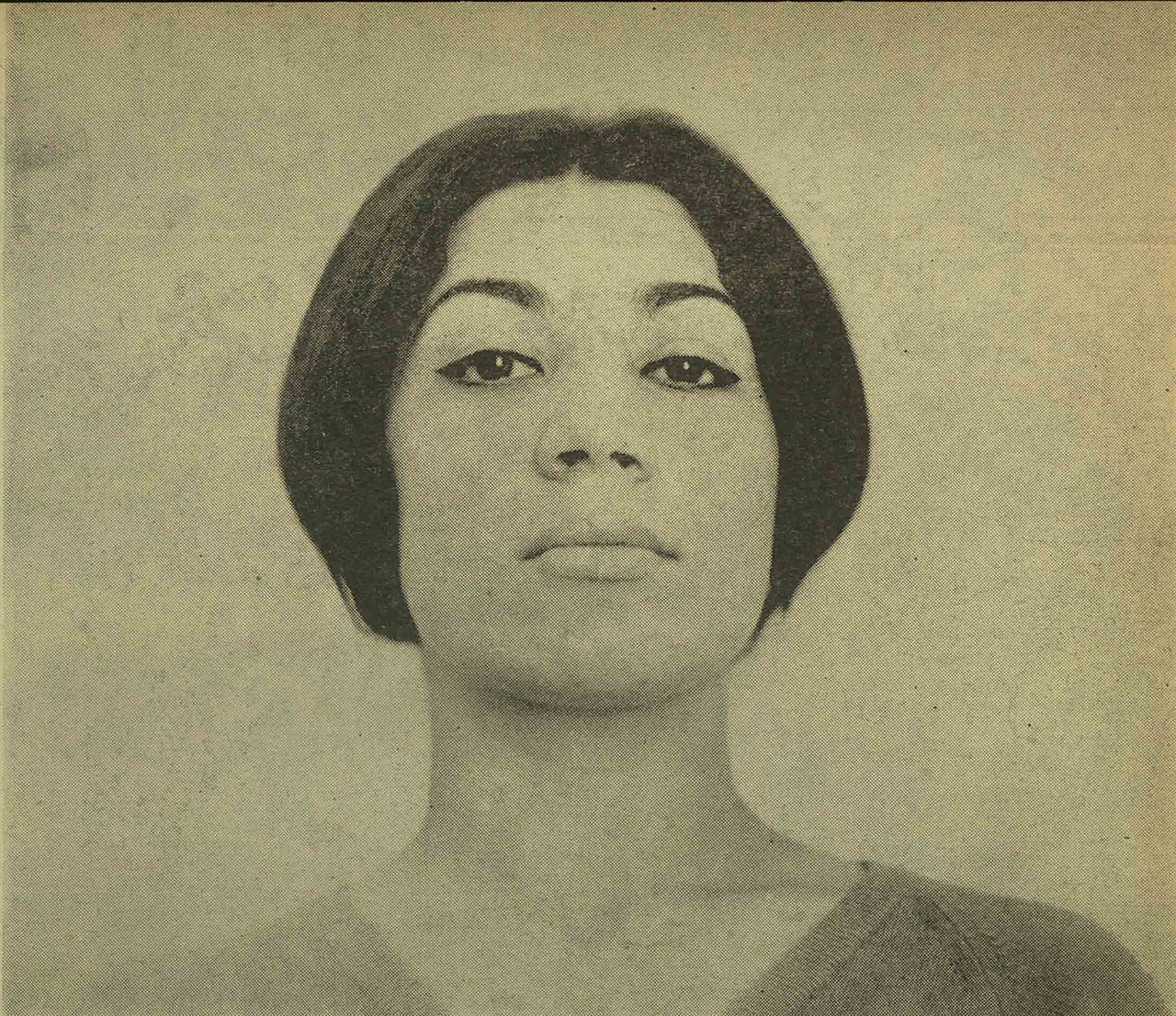
Another Birth: The Rebirth of Forough, or of Her Poetry?
From rebellion to creation: a reading of Forough Farrokhzad's Another Birth
By Owrang Editorial
In Another Birth, Forough Farrokhzad has reached a point in life where she no longer needs to cry out to prove her right to fall in love. The girl who, in Captive, The Wall and Rebellion, had risen with youthful passion against prohibitions is now a woman who, through love, has arrived at a new understanding of herself and of the world; and the language of her poetry has changed so much that it is as if we were facing another person. Is Another Birth the rebirth of Forough, or the rebirth of her poetry?
From Rebellion to Love
In "Sin," Forough expresses the pleasure of love openly, yet she still gives it the name "sin." In Another Birth she becomes a woman who regards love as part of the truth of her own being. Her relationship with Ebrahim Golestan took shape at the same time as a period of intellectual and artistic growth for her, but what made poetry out of this experience was Forough's own ability.
She calls her existence a "verse" of darkness; a darkness that is not a sign of despair but a fertile space for love to grow. "Verse," with its religious resonance, raises the poet's earthly, loving existence to the status of a sign of truth. Forough links the beloved to tree, water and fire. Here woman is no longer merely the object of a man's love; she is herself the source of meaning and creativity.
The Birth of a Language, and a Dialogue with World Poetry
In conversation with Sadreddin Elahi about Another Birth, Forough said: "My poetry has grown along with me." (our rendering). In her early poems, emotion is stated openly; in Another Birth, feeling becomes incarnate in the image. When she plants her hands in the garden bed and is certain they will turn green, a person to whom the world has given only a small share finds the possibility of growing within herself. In "Conquest of the Garden," too, garden, water and mirror share in making the meaning of love.
This transformation was not separate from Forough's acquaintance with modern world poetry. In his book Reorienting Modernism in Arabic and Persian Poetry (Cambridge University Press, 2023), in a chapter devoted to the poem "Let Us Believe in the Beginning of the Cold Season," Levi Thompson speaks of the deep connections between this poem and T. S. Eliot's The Waste Land.
Mona Monsefi, too, in a study published in the journal CLCWeb (2024), examines the Christian motifs and religious language in "Earthly Verses" alongside Eliot's The Waste Land. Even so, Forough re-creates these images within the world of her own experience and in the cultural setting of Iran.
This influence shows less in the imitation of meter and form than in theme and in the widening of the possibilities of imagery. Forough herself, answering a question about Western literature, had said that she paid attention to its content, not to its meter. She acknowledged Nima's fundamental influence on the language and form of her poetry. Thus the music of Forough's language continues to take shape in connection with the capacities of the Persian language.
Another Birth is not an entirely even collection, and at times a declamatory tone diminishes the delicacy of the images, but these unevennesses, too, are the mark of a poet testing the possibilities of her own language.
Woman, Society and Creation
In an age when a woman was mostly defined in relation to father, husband and child, Forough no longer merely demands the right to desire and to love; she shows woman's capacity to know and to create the world. "The Wind-Up Doll" is a critique of any life emptied of agency and awareness, and "Earthly Verses" carries the poet's gaze from private experience to the collective fate of humankind.
This quality places her poetry beside the experience of poets such as Sylvia Plath and Adrienne Rich, although a resemblance between them does not necessarily mean direct influence.
In her article "The Western Reception of Forugh Farrokhzad: New Orientalism and Confessional Poetry" (2023), Raluca Panait warns that presenting Forough as "the Sylvia Plath of Iran" may place her independent literary identity in the shadow of Western models.
By contrast, Neda Alizadeh Kashani, in a study in the encyclopedia Women Poets Iranica on Forough and Adrienne Rich, stresses the importance of women's independent voice against male-centered literary traditions. She notes that Rich, in her foreword to the anthology The Other Voice (1976), which included Forough's poetry in English, praised its poets for breaking silence and counted Forough among the "powerful women."
For all this, love in Forough's poetry does not lead to certain salvation, nor does awareness free her from loneliness and doubt. Forough does not banish desire, fear, the need for affection, and doubt from the realm of being human. She accepts the human being with all their traits, but she does not stay silent before whatever deprives them of a conscious and free life.
A Birth That Never Ends
At the end of the poem "Another Birth," a sad little fairy dies with a kiss in the night and is born again with a kiss at dawn. In Forough's world, birth is not a one-time event.
Forough drew on the tradition of Persian poetry, on the experience of life and love, and on her acquaintance with the art and literature of the world, but the outcome of these encounters was a voice that cannot be reduced to any one of its sources.
Perhaps the answer to the opening question does not lie in separating the poet from the poetry: Forough arrived at the new language of her poetry when she learned to turn the whole of her being, without denying desire, suffering and contradiction, into artistic creation.
Sources:
1. Levi Thompson, Reorienting Modernism in Arabic and Persian Poetry, ch. 6 "Winter in the Modernist Garden: Furūgh Farrukhzād's Posthumous Poetry and the Death of Modernism", Cambridge University Press, 2023.
2. Mona Monsefi, "Christian Motifs in Forough Farrokhzad's Works: A Comparison with T. S. Eliot's Poetry", CLCWeb: Comparative Literature and Culture 26.3, 2024.
3. Raluca Panait, "The Western Reception of Forugh Farrokhzad: New Orientalism and Confessional Poetry", Caietele Echinox 45, 2023, pp. 214-225.
4. Neda Alizadeh Kashani, "Networking Women Poets: Connecting Furūgh Farrukhzād and Adrienne Rich", Women Poets Iranica, 2024.
5. Sadreddin Elahi, interview with Forough Farrokhzad, Sepid va Siah, 1966 (1345 SH).
تولدی دیگر؛ تولد دوبارهٔ فروغ یا شعر او؟
از عصیان تا آفرینش، خوانشی از «تولدی دیگر» فروغ فرخزاد
نوشتهٔ Owrang Editorial
فروغ فرخزاد در «تولدی دیگر» به جایی از زندگی رسیده است که دیگر برای اثبات حق عاشقشدن نیازی به فریاد ندارد. دختری که در «اسیر»، «دیوار» و «عصیان» با شور جوانی به مقابله با ممنوعیتها برخاسته بود، اکنون زنی است که از خلال عشق به شناخت تازهای از خویش و جهان رسیده است؛ و زبان شعرش نیز چنان تغییر کرده که گویی با انسانی دیگر روبهروییم. آیا «تولدی دیگر» تولد دوبارهٔ فروغ است یا تولد دوبارهٔ شعر او؟
از عصیان تا عشق
فروغ در «گناه» لذت عشق را بیپرده بیان میکند، اما هنوز نام «گناه» بر آن میگذارد. در «تولدی دیگر» به زنی بدل میشود که عشق را بخشی از حقیقت وجود خود میداند. رابطهاش با ابراهیم گلستان همزمان با دورهای از رشد فکری و هنری او شکل گرفت، اما آنچه از این تجربه شعر ساخت، توانایی خود فروغ بود.
او هستی خود را «آیه»ای از تاریکی مینامد؛ تاریکیای که نه نشانهٔ نومیدی، که فضایی زاینده برای رشد عشق است. «آیه» با طنین دینیاش، هستی زمینی و عاشقانهٔ شاعر را به جایگاه نشانهٔ حقیقت میرساند. فروغ معشوق را به درخت و آب و آتش پیوند میزند. اینجا زن دیگر تنها موضوع عشق مرد نیست؛ خود سرچشمهٔ معنا و آفرینندگی است.
تولد زبان و گفتوگو با شعر جهان
فروغ در گفتوگو با صدرالدین الهی دربارهٔ «تولدی دیگر» گفته است: «شعر من با خود من پیش آمده است.» در شعرهای نخستین او عاطفه آشکارا بیان میشود؛ در «تولدی دیگر» احساس در تصویر حلول میکند. هنگامی که دستهایش را در باغچه میکارد و به سبزشدنشان یقین دارد، انسانی که جهان سهم اندکی به او داده، امکان روییدن را در وجود خود مییابد. در «فتح باغ» نیز باغ و آب و آینه در ساختن معنای عشق شریکاند.
این تحول، جدا از آشنایی فروغ با شعر مدرن جهان نبود. لِوی تامپسون در کتاب «بازنگری در مدرنیسم شعر عربی و فارسی» (انتشارات دانشگاه کمبریج، ۲۰۲۳)، در فصلی که به شعر «ایمان بیاوریم به آغاز فصل سرد» میپردازد، از پیوندهای عمیق این شعر با «سرزمین هرز» تی. اس. الیوت سخن میگوید.
مونا منصفی نیز در پژوهشی منتشرشده در مجلهٔ CLCWeb (۲۰۲۴)، نقشمایههای مسیحی و زبان دینی را در «آیههای زمینی» در کنار «سرزمین هرز» الیوت بررسی میکند. بااینحال، فروغ این تصویرها را در جهان تجربههای خود و در بستر فرهنگی ایران بازمیآفریند.
این تأثیرپذیری بیش از آنکه در تقلید وزن و قالب آشکار شود، در مضمون و گسترش امکانات تصویرپردازی دیده میشود. خود فروغ در پاسخ به پرسشی دربارهٔ ادبیات غرب گفته بود که به محتوای آن توجه داشته، نه به وزن آن. او تأثیر بنیادی نیما را بر زبان و شکل شعرش تصدیق میکرد. از این رو، موسیقی کلام فروغ همچنان در پیوند با ظرفیتهای زبان فارسی شکل میگیرد.
«تولدی دیگر» مجموعهای کاملاً یکدست نیست و گاه لحن خطابی از ظرافت تصویرها میکاهد، اما این ناهمواریها نیز نشانهٔ شاعری است که امکانات زبان خود را میآزماید.
زن، جامعه و آفرینش
در روزگاری که زن غالباً در نسبت با پدر، همسر و فرزند تعریف میشد، فروغ دیگر فقط حق میل و عشق را مطالبه نمیکند؛ توانایی زن برای شناخت و آفرینش جهان را نشان میدهد. «عروسک کوکی» نقد هر زیستنی است که از اختیار و آگاهی تهی شده و «آیههای زمینی» نگاه شاعر را از تجربهٔ خصوصی به سرنوشت جمعی انسان میبرد.
این ویژگی، شعر او را در کنار تجربهٔ شاعرانی چون سیلویا پلات و آدرین ریچ قرار میدهد، هرچند شباهت میان آنان لزوماً به معنای تأثیر مستقیم نیست.
رالوکا پانائیت در مقالهٔ «بازتاب فروغ فرخزاد در غرب: شرقشناسی نو و شعر اعترافی» (۲۰۲۳) هشدار میدهد که معرفی فروغ بهعنوان «سیلویا پلات ایران»، ممکن است هویت مستقل ادبی او را زیر سایهٔ الگوهای غربی قرار دهد.
در مقابل، ندا علیزاده کاشانی در پژوهشی در دانشنامهٔ Women Poets Iranica دربارهٔ فروغ و آدرین ریچ، بر اهمیت صدای مستقل زنان در برابر سنتهای ادبی مردمحور تأکید میکند. او یادآور میشود که ریچ در پیشگفتار گلچین «The Other Voice» (۱۹۷۶)، که شعر فروغ را به انگلیسی در بر داشت، شاعران آن را به سبب شکستن سکوت ستود و فروغ را در شمار «زنان نیرومند» آورد.
بااینهمه، نه عشق در شعر فروغ به رستگاری قطعی میانجامد و نه آگاهی او را از تنهایی و تردید رها میکند. فروغ میل، هراس، نیاز به محبت و تردید را از قلمرو انسانبودن بیرون نمیراند. انسان را با همهٔ ویژگیهایش میپذیرد، اما در برابر آنچه او را از زندگی آگاهانه و آزاد محروم میکند سکوت نمیکند.
تولدی که پایان نمییابد
در پایان شعر «تولدی دیگر»، پری کوچک غمگینی با بوسهای در شب میمیرد و با بوسهای در سحرگاه دوباره به دنیا میآید. تولد در جهان فروغ رویدادی یکباره نیست.
فروغ از سنت شعر فارسی، از تجربهٔ زندگی و عشق و از آشنایی با هنر و ادبیات جهان بهره برد، اما حاصل این برخوردها صدایی بود که به هیچیک از سرچشمههایش فروکاستنی نیست.
شاید پاسخ پرسش آغازین در جدایی شاعر و شعر نباشد: فروغ زمانی به زبان تازهٔ شعر خود رسید که آموخت تمامیت وجودش را، بیانکار میل و رنج و تناقض، به آفرینش هنری بدل کند.
منابع | Sources:
۱. Levi Thompson, Reorienting Modernism in Arabic and Persian Poetry, ch. 6 "Winter in the Modernist Garden: Furūgh Farrukhzād's Posthumous Poetry and the Death of Modernism", Cambridge University Press, 2023.
۲. Mona Monsefi, "Christian Motifs in Forough Farrokhzad's Works: A Comparison with T. S. Eliot's Poetry", CLCWeb: Comparative Literature and Culture 26.3, 2024.
۳. Raluca Panait, "The Western Reception of Forugh Farrokhzad: New Orientalism and Confessional Poetry", Caietele Echinox 45, 2023, pp. 214–225.
۴. Neda Alizadeh Kashani, "Networking Women Poets: Connecting Furūgh Farrukhzād and Adrienne Rich", Women Poets Iranica, 2024.
۵. صدرالدین الهی، گفتوگو با فروغ فرخزاد، «سپید و سیاه»، ۱۳۴۵.